


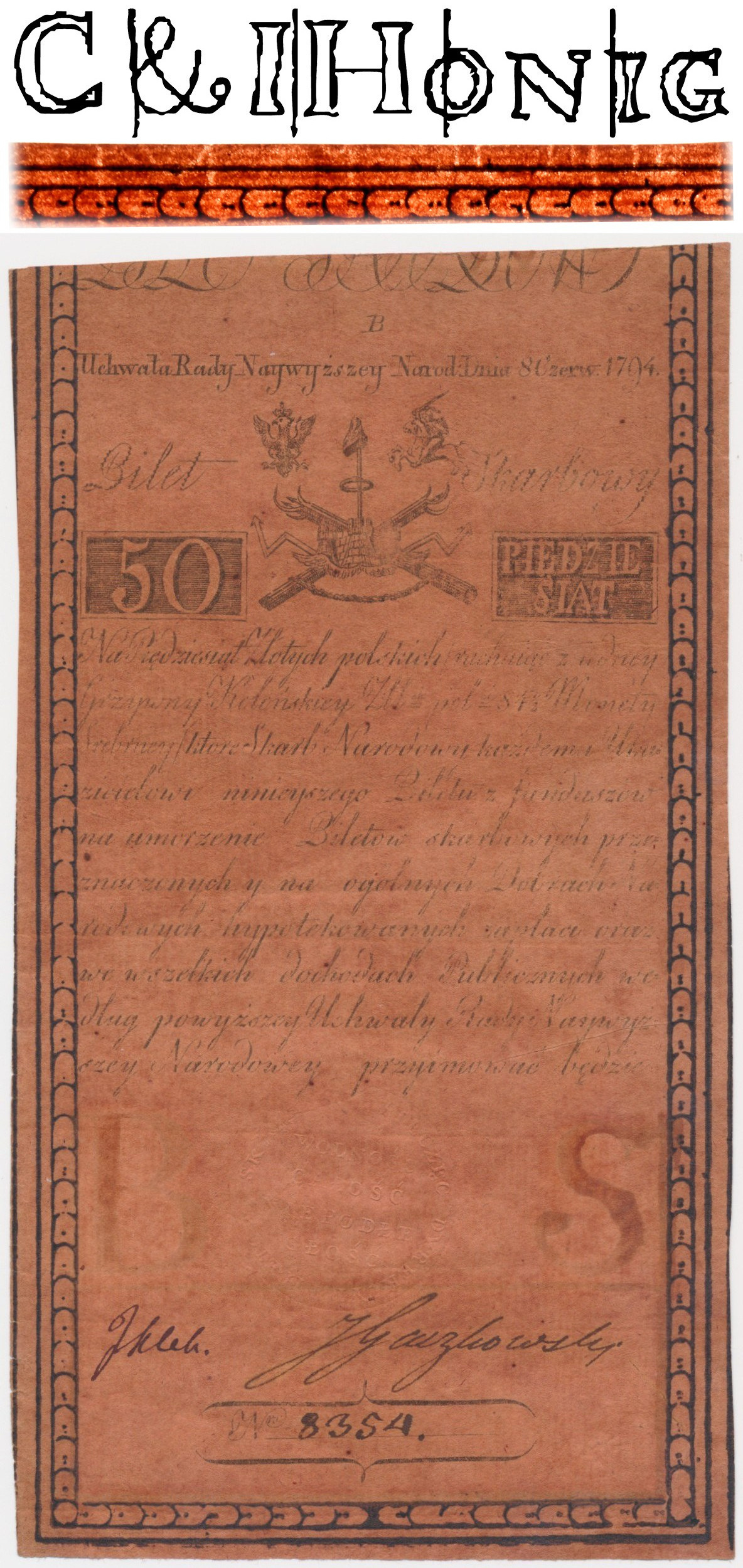
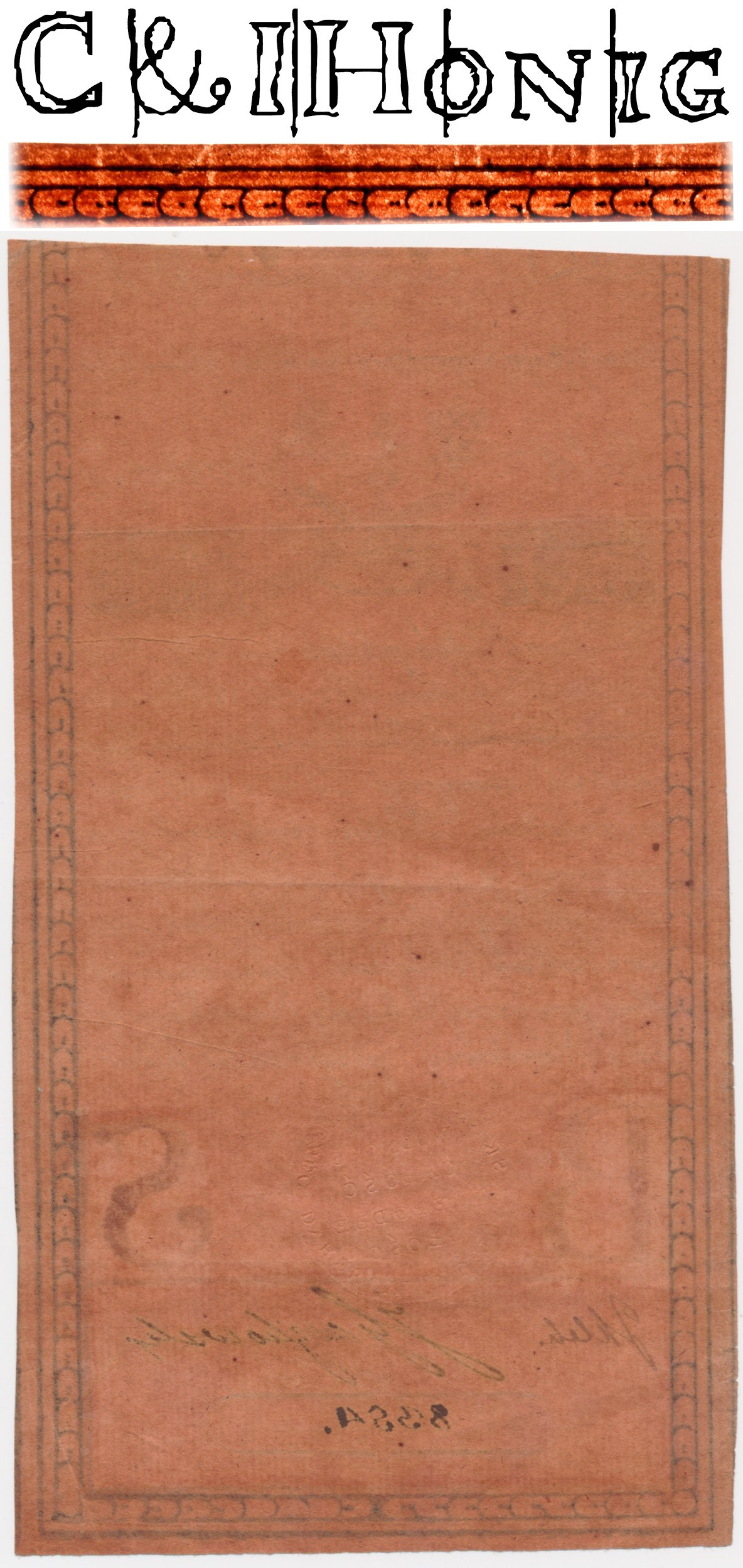
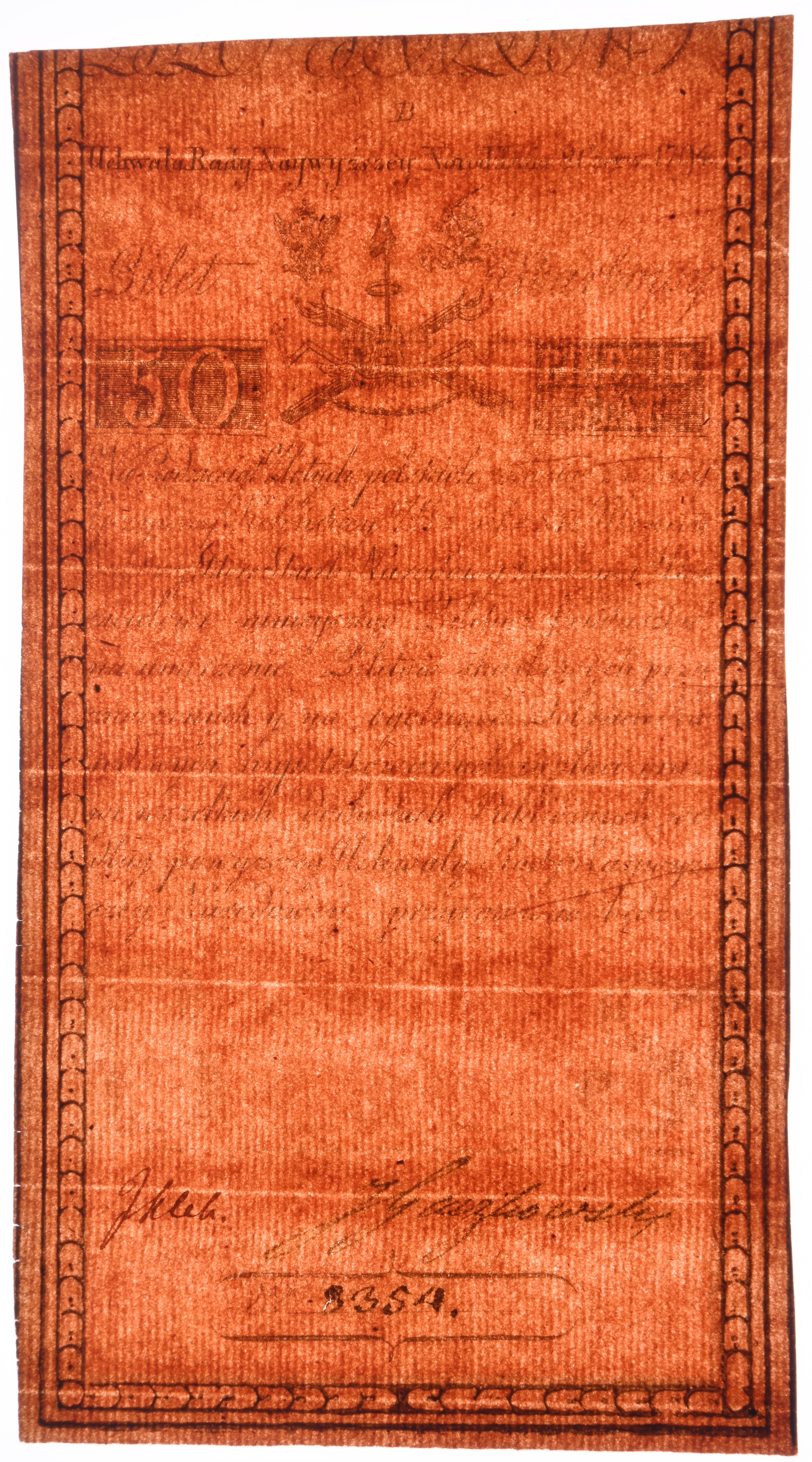
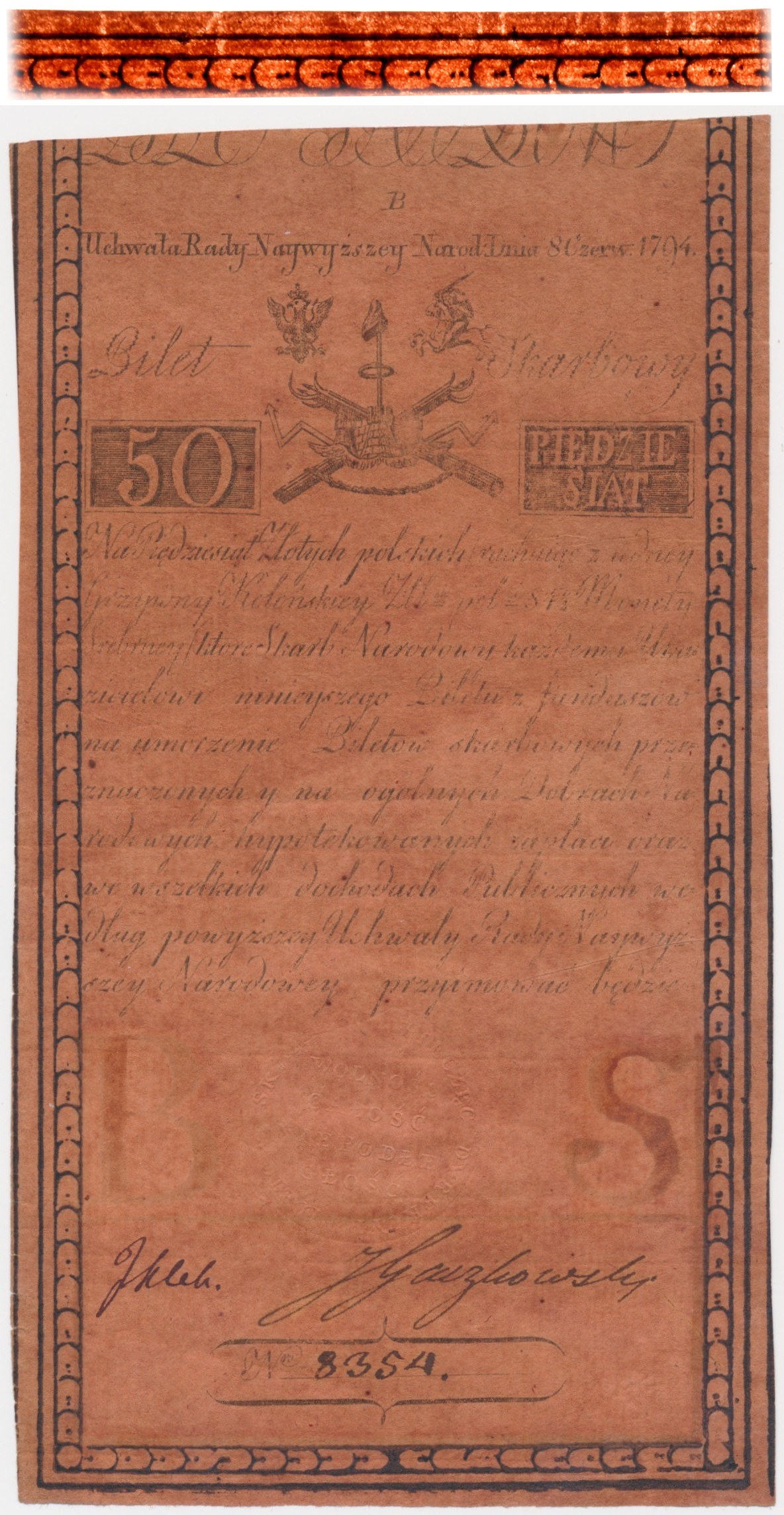
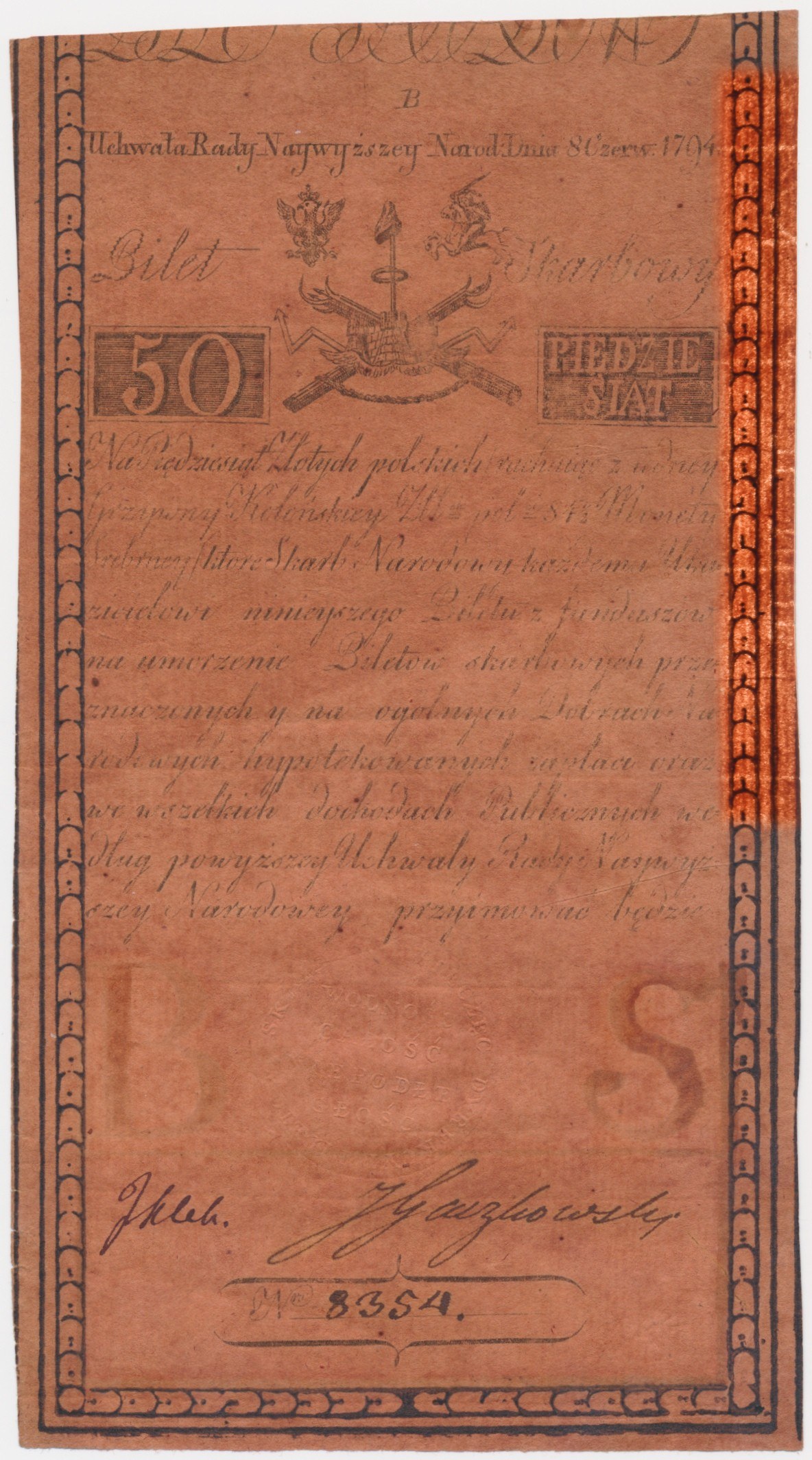
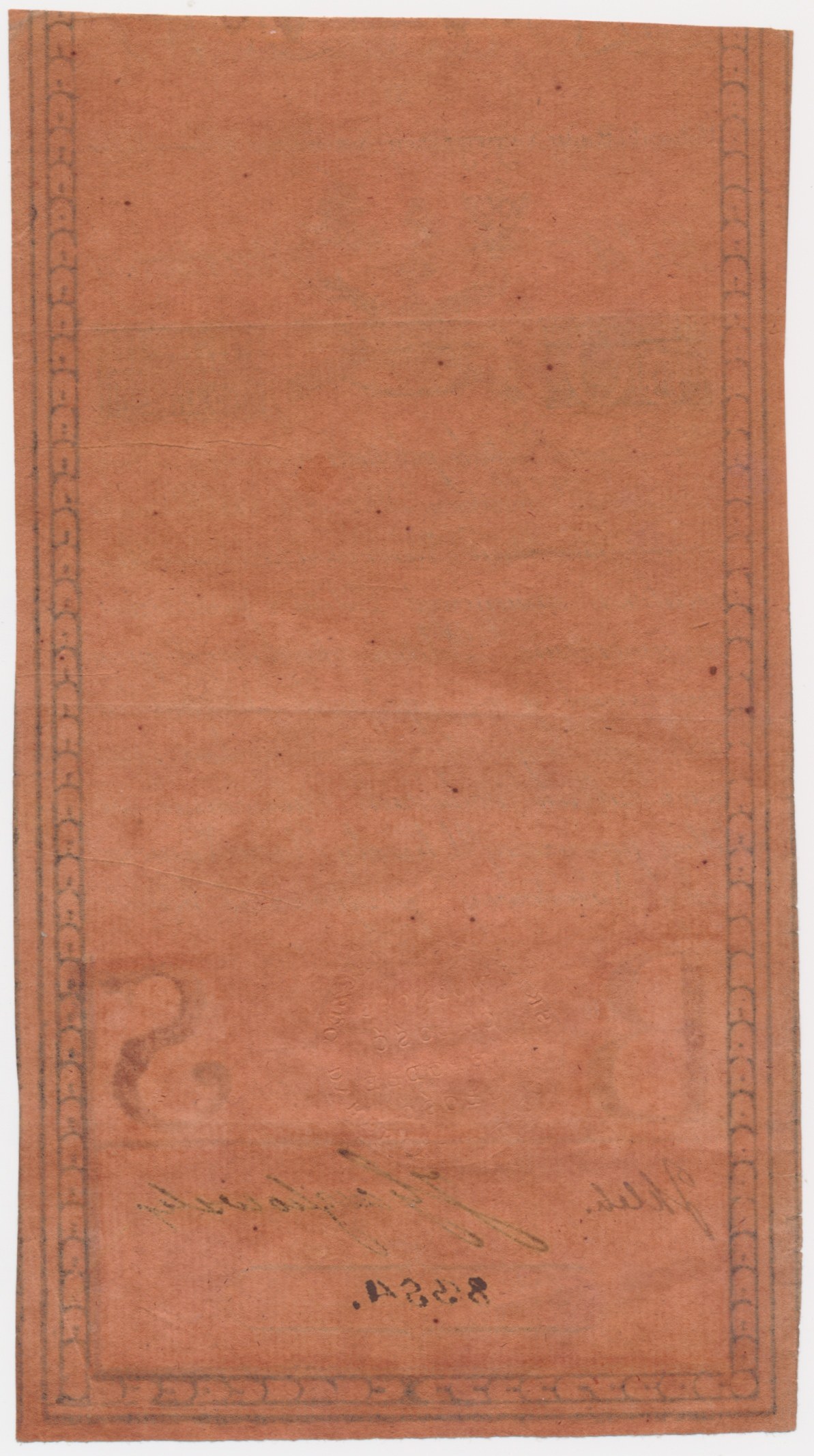
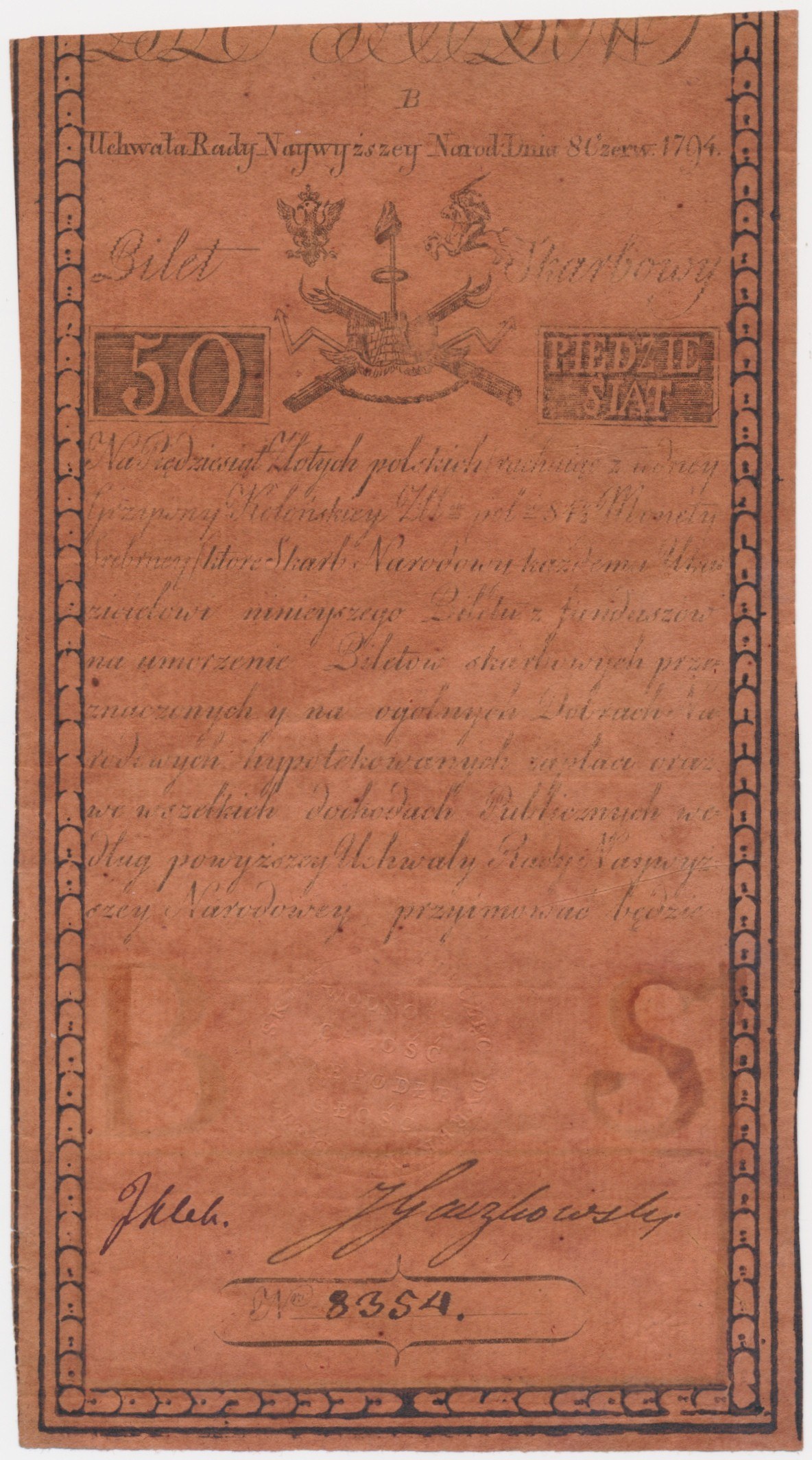
Piece printed on extremely thin paper, quite different from most 50-zloty banknotes.
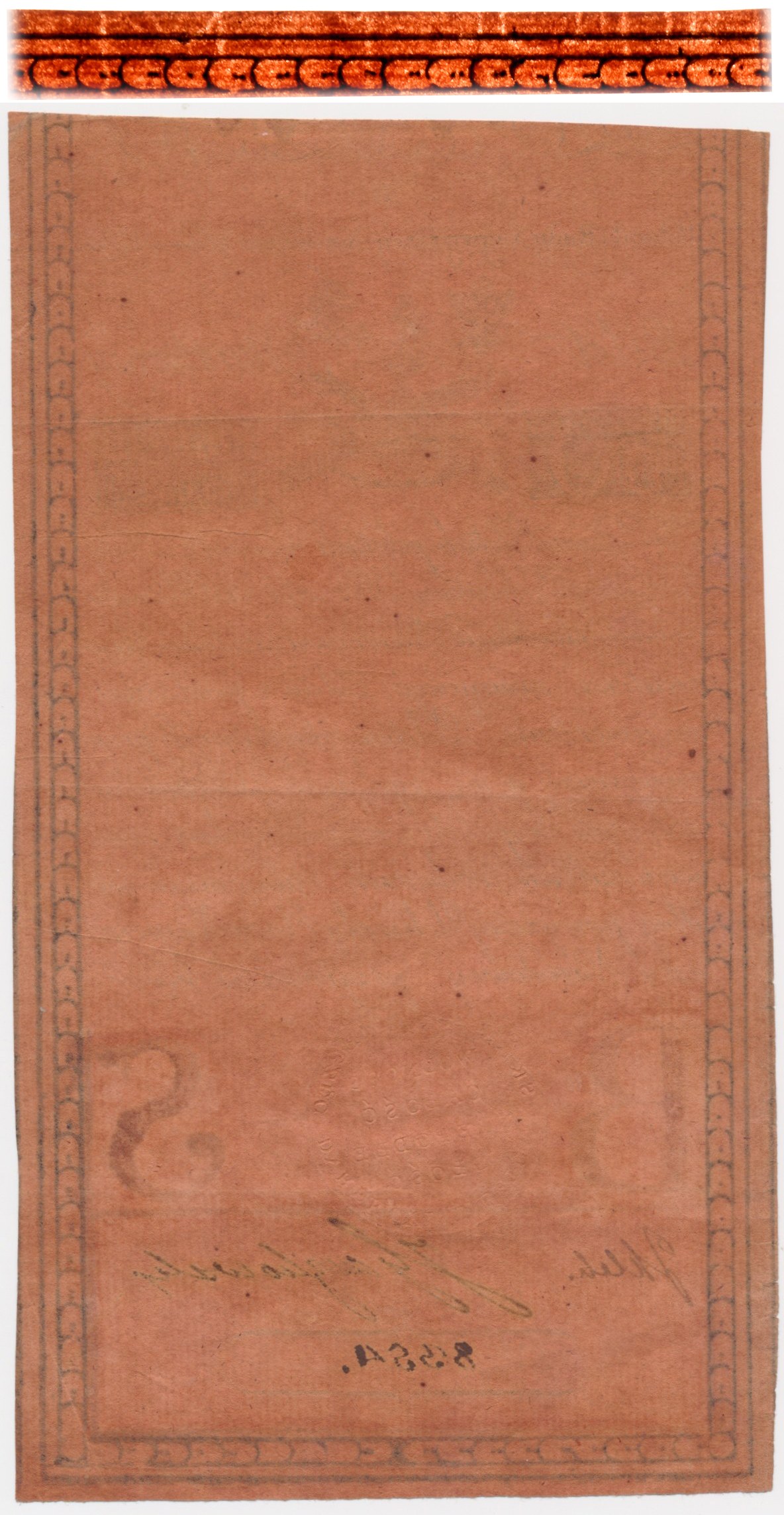
This is a characteristic feature of banknotes printed on paper with the rare C.I. HONIG filigree.
The offered piece with a piece of watermark on the right margin, marked with series B and a low four-digit serial number, which allows us to assume that this paper was used for printing the first sheets.
The best preserved piece of this variety that we have hosted on our auctions. Due to the thin and delicate paper used for printing, the banknote is difficult to acquire in bank condition.
Typical of banknotes printed on thin paper, a slight burn from the ink at the commissioner's signature and a relatively unconvex dry seal, which is also indirectly caused by the paper weight used for printing.
Broken diagonally through the printed field and a broken lower right corner. Minor cuts on the right edge.
Imperfections within the corners, but without affecting the printed field.
Excellent and fresh presentation.
The piece offered is a rare long Kosciuszko ticket. Rare because of the C.I. HONIG. watermarked paper used for printing, which is many times rarer than the three "typical" watermarks we can find on long tickets. While this is not an unknown item from auction listings, only individual listings are known over the years, mostly from our auctions.
A natural piece in a rarer variety. A beautiful piece with a practically album-like appearance for specialized collections of Kościuszko Insurrection banknotes.











