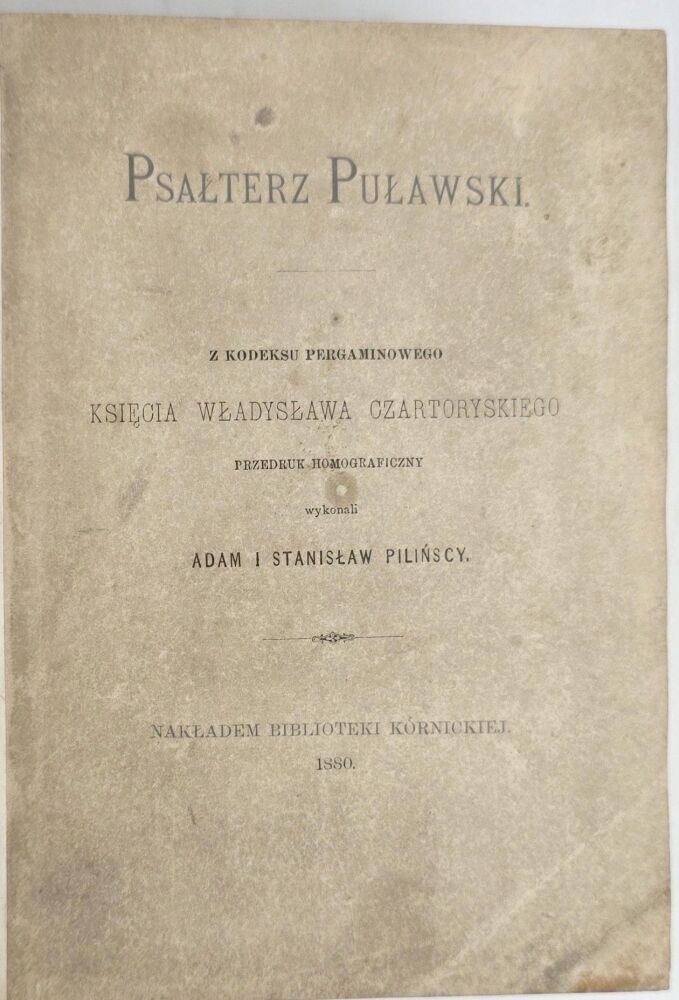
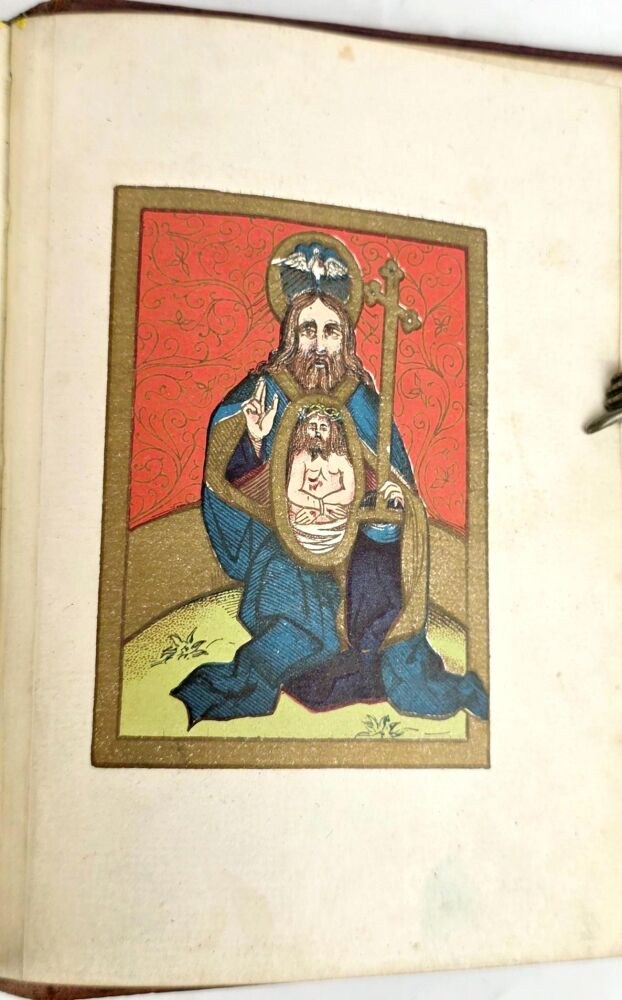
THE PUŁAWI PSALTER.
From the parchment codex of Prince Władysław Czartoryski
Homographic reprint by Adam and Stanisław Piliński.
[Poznań] 1880. Published by the Kórnik Library. pp. [614]; format 12.5x17.5 cm
One of the most significant achievements of 19th-century Polish facsimile art and, at the same time, one of the most impressive publications related to the oldest monuments of the Polish language. This monumental edition was prepared based on a medieval parchment codex belonging to Prince Władysław Czartoryski, which preserves one of the most valuable monuments of ancient religious literature.
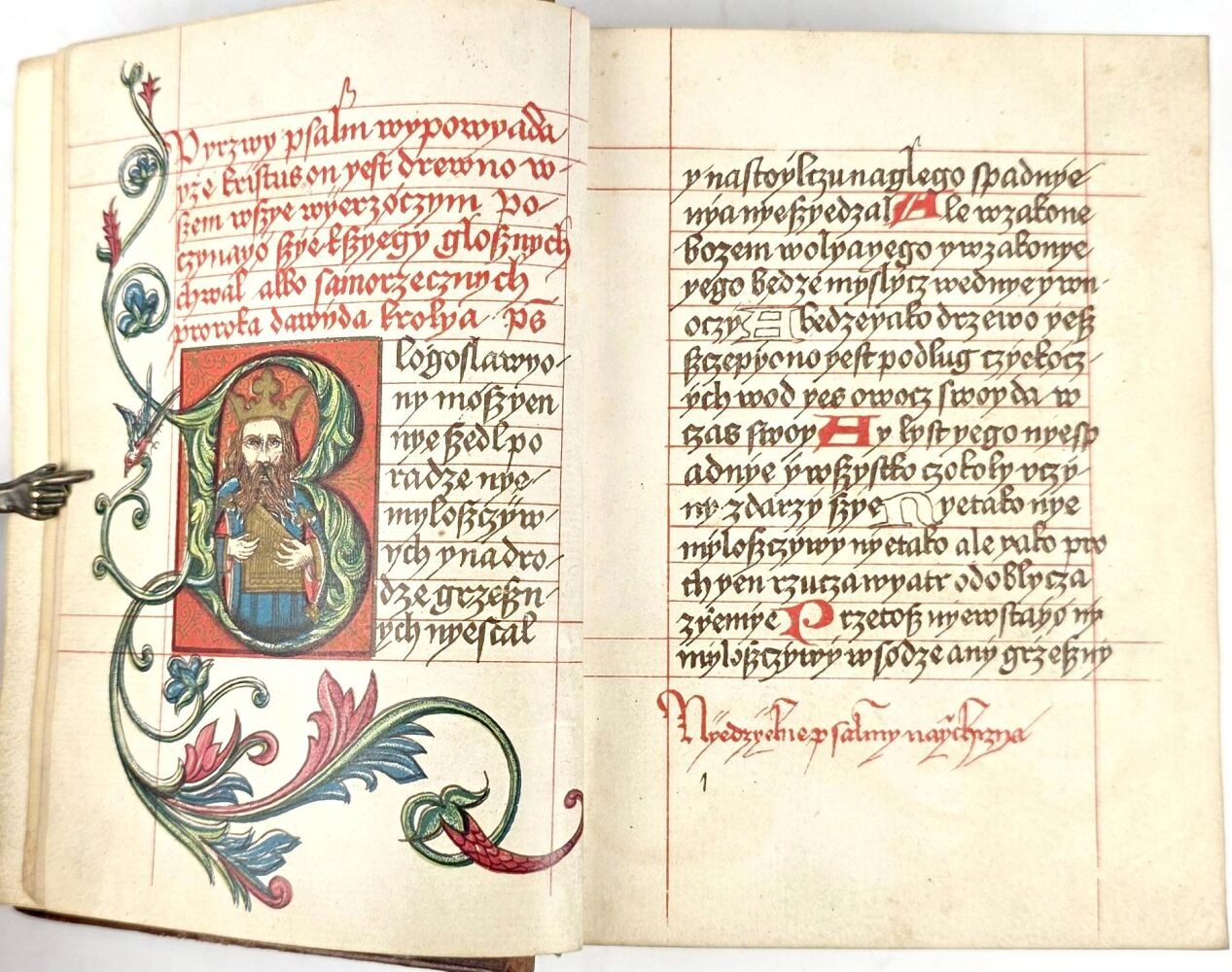
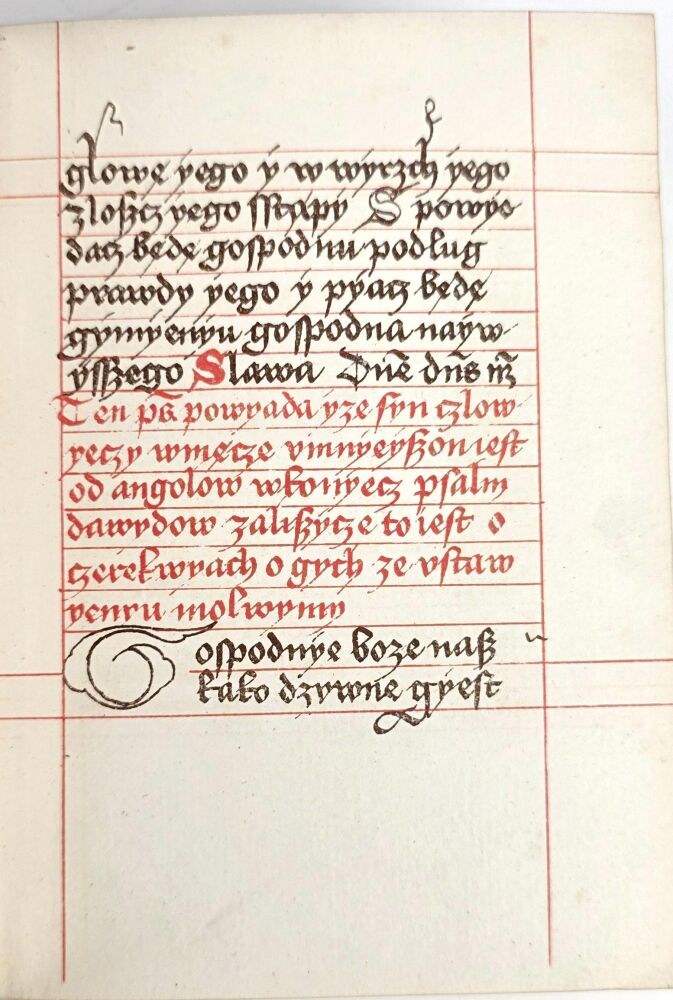
The Puławy Psalter is considered one of the oldest surviving Polish translations of the Book of Psalms. The manuscript was created at the turn of the 15th and 16th centuries and serves as an invaluable testimony to the development of the Polish language at the end of the Middle Ages. In addition to its philological and religious significance, it also possesses immense artistic value—it delights with its meticulous calligraphy, ornate initials, and decoration characteristic of late Gothic book culture.
This publication contains a complete reproduction of the manuscript, faithfully recreating the layout of the pages, the style of the script, the ornamentation, and the color scheme of the original. As a result, for over a century, this edition has remained an essential tool for historians of language, medievalists, and scholars of early books, allowing them to study the artifact without exposing the original to damage.
The reproduction method used deserves special attention. Adam Piliński (1810–1887), a Polish engraver, graphic artist, and inventor active primarily in France, developed his own technique of homography, which allowed for the reproduction of manuscripts and historical documents with extraordinary precision. His son, Stanisław Piliński (1839–1905), also participated in the project. The result of their work ranks among the most outstanding achievements of 19th-century European reproductive art and continues to inspire admiration for its precision to this day.
The project was initiated by Jan Kanty Działyński (1829–1880) —owner of Kórnik, an outstanding bibliophile, collector, and publisher of historical sources. In line with his vision of making the most valuable monuments of national culture accessible to the public, he oversaw the creation of a series of luxurious facsimile editions, among which the “Puławski Psalter” holds a special place.
Rare!
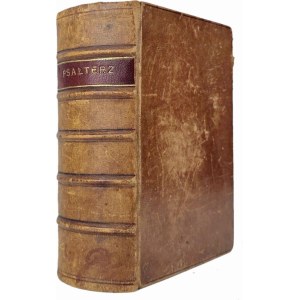
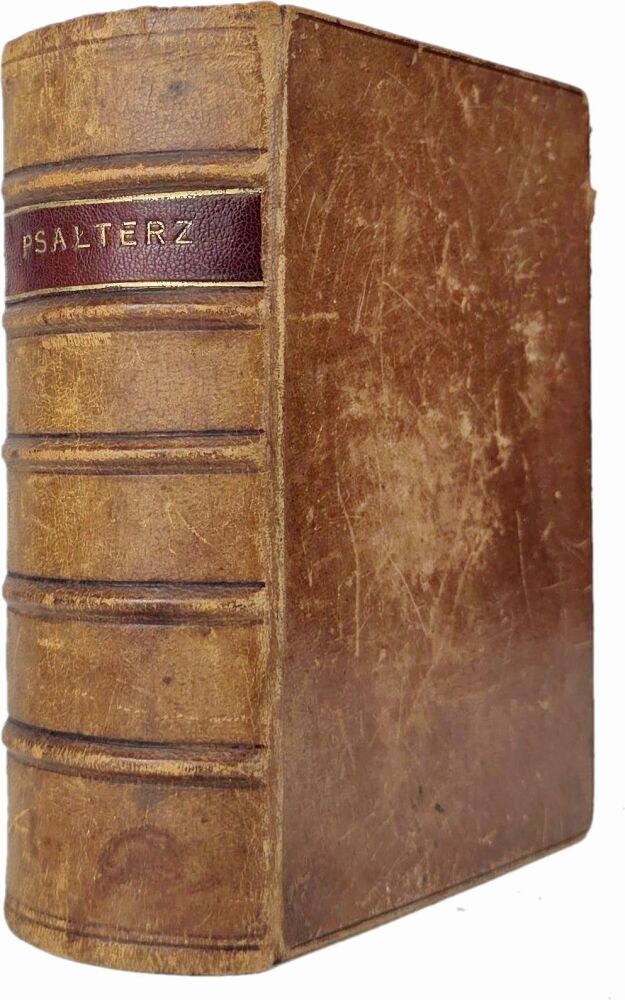
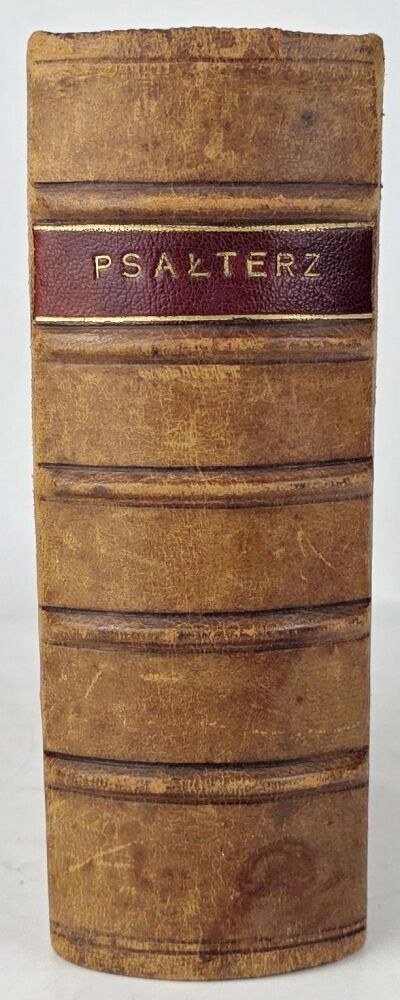
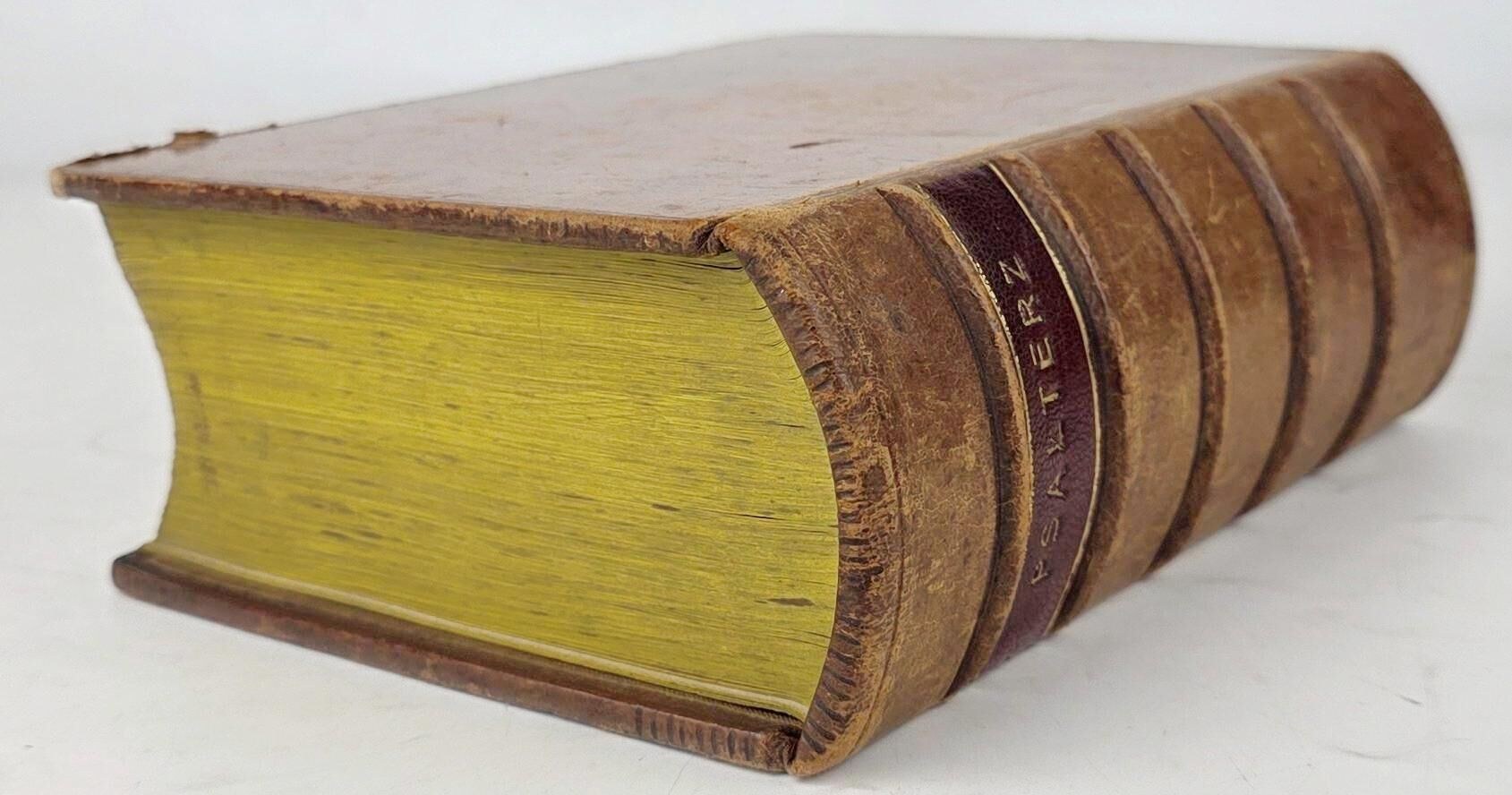
HARDCOVER, FULL LEATHER BINDING [Slightly later, early 20th century], SPINE WITH RAISED BINDING RIBBONS, A LABEL WITH GILDED TITLE, COLORED EDGES
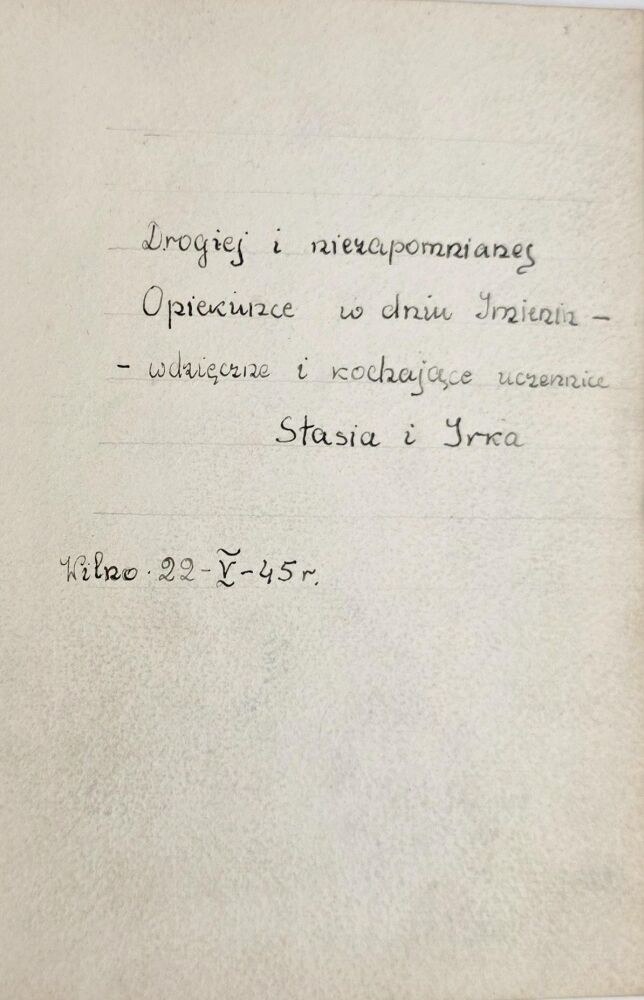
Condition: Very Good-/minor scuffs, wear on the binding, discoloration on the title page, dedication on an additional page inserted just behind the endpaper; A NICE PIECE