Paul Signac (1863-1935) - French painter, co-founder of Neo-Impressionism and master of the technique of Puentilism.
Paul Signac was born on November 11, 1863 in Paris. He was initially interested in architecture, but soon abandoned this direction in favor of painting. Fascinated by the work of Claude Monet, he began his own artistic explorations - first in the spirit of Impressionism and then going in a completely new direction.
In 1884 he met Georges Seurat, with whom he jointly created a new trend in painting - Puentilism, also known as Divisionism. It consisted of building a picture using tiny, separate dots of pure color, which from the right distance merge in the eye of the viewer into a full, luminous composition. It was a way of "scientific light painting," based on color theory.
Signac primarily painted seascapes, ports, scenes from the south of France and the Breton coast. He loved to sail - he was an avid mariner and owned several boats from which he observed and painted the Mediterranean, Atlantic and English Channel coasts.
In 1908, he became president of the Société des Artistes Indépendants - the Society of Independent Artists - and for years promoted young artists, including Henri Matisse and the Fauvists, among others. He was not only a painter, but also an active art activist and art theorist. Among other things, he wrote a book "D'Eugène Delacroix au néo-impressionnisme" - about the transition from Romanticism to modern light painting.
He died on August 15, 1935 in Saint-Tropez - a place he loved and where he created many of his most luminous, colorful works.
Trivia:
- He was friends with Van Gogh and was one of the few who understood his art while he was still alive.
- His technique influenced not only Matisse, but also artists of abstraction and modern art.
- Thanks to him, Puentilism became more than an experiment - it became a bridge between Impressionism and modernity.
Artwork description:
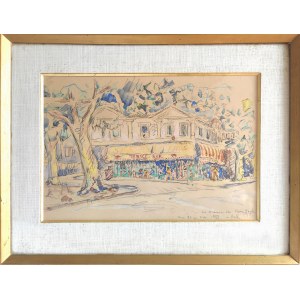
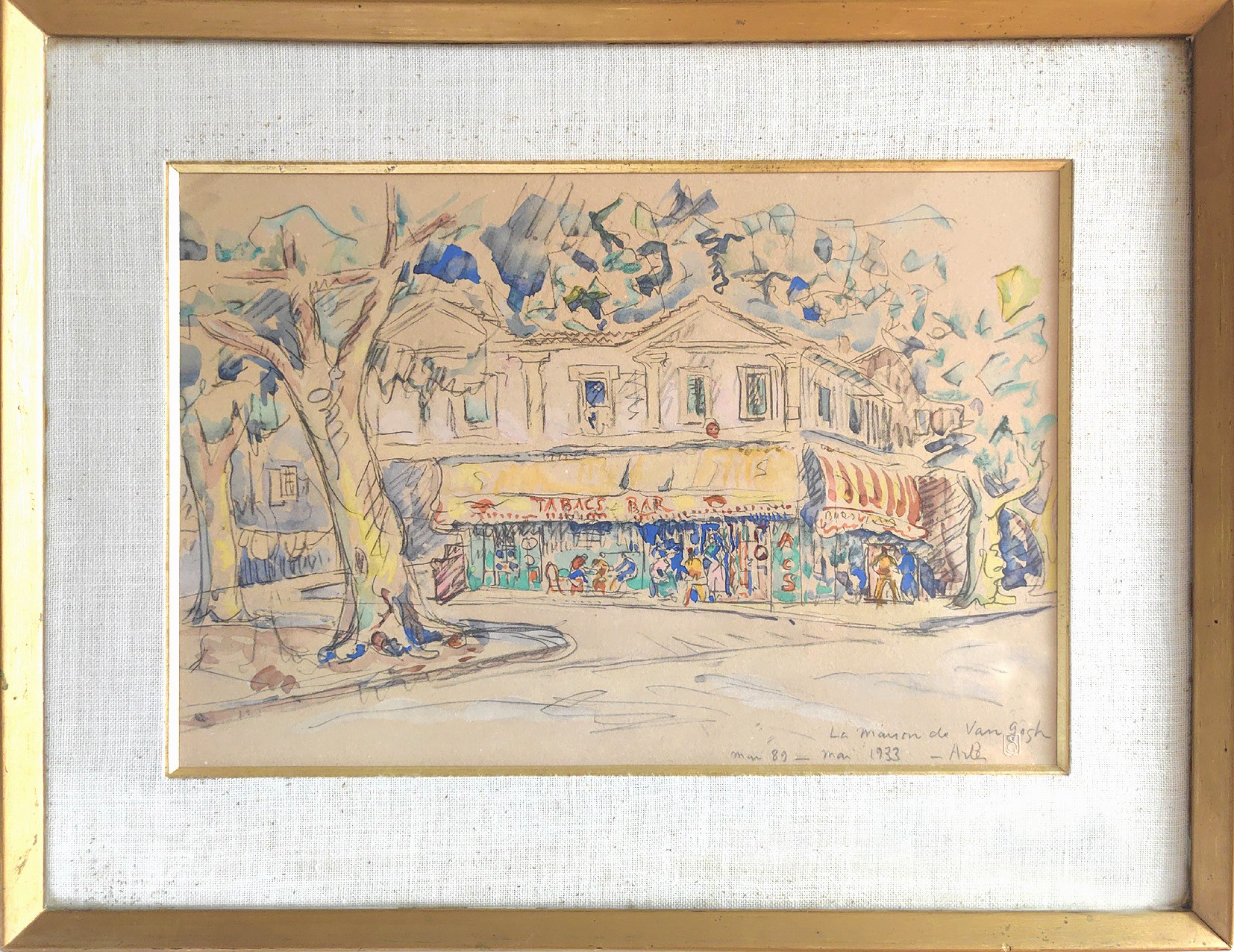
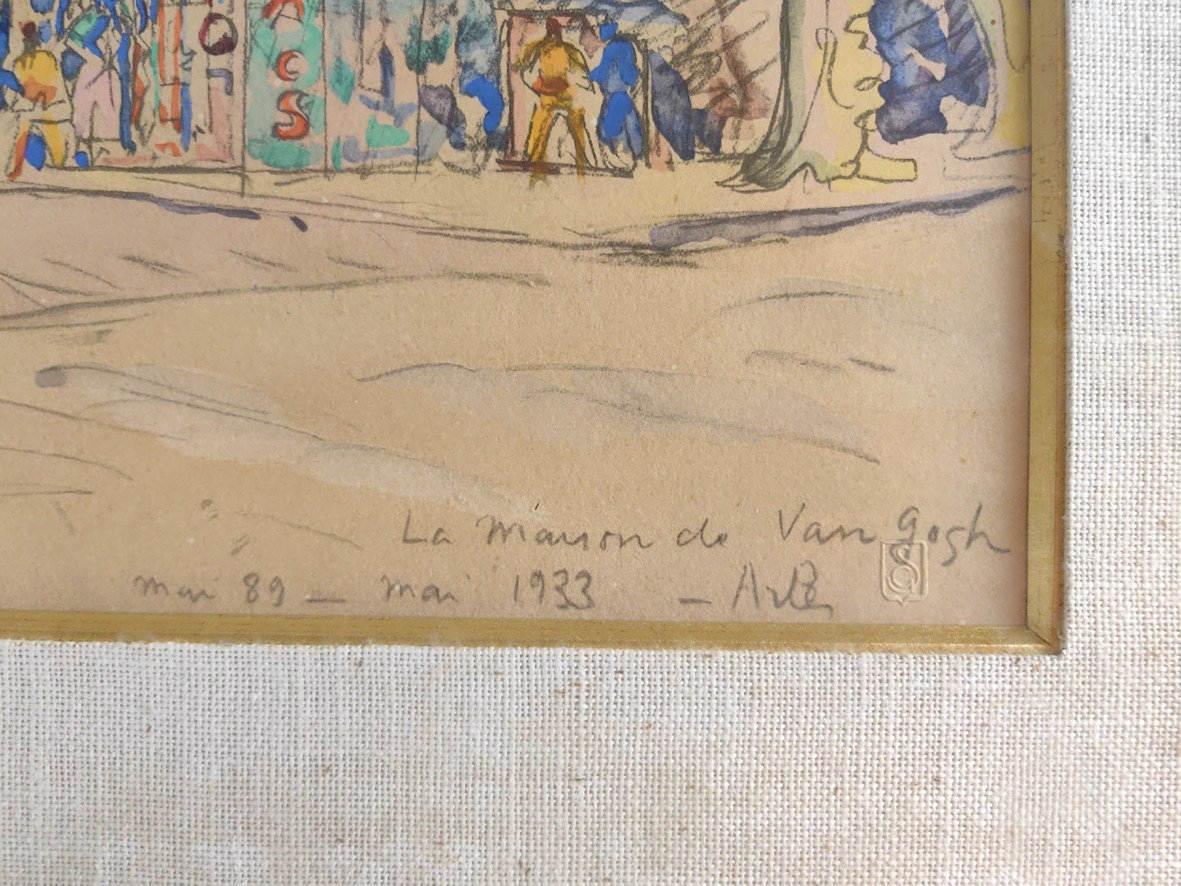
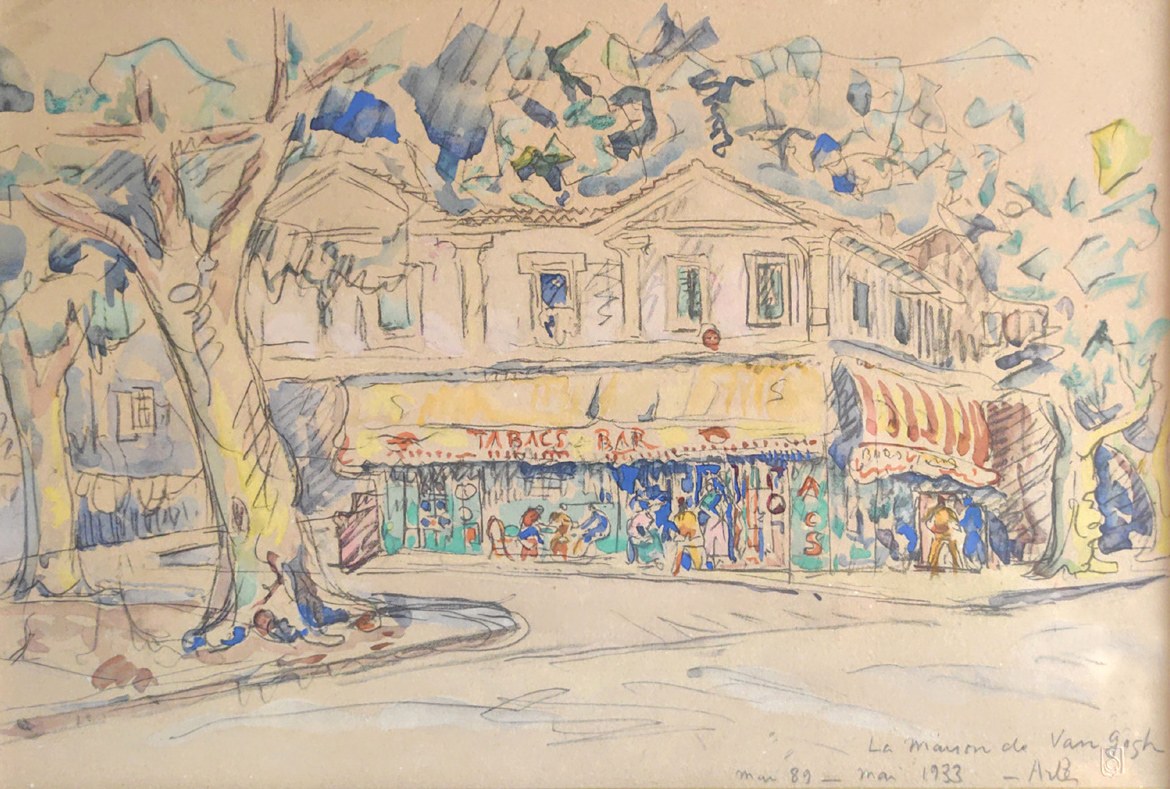
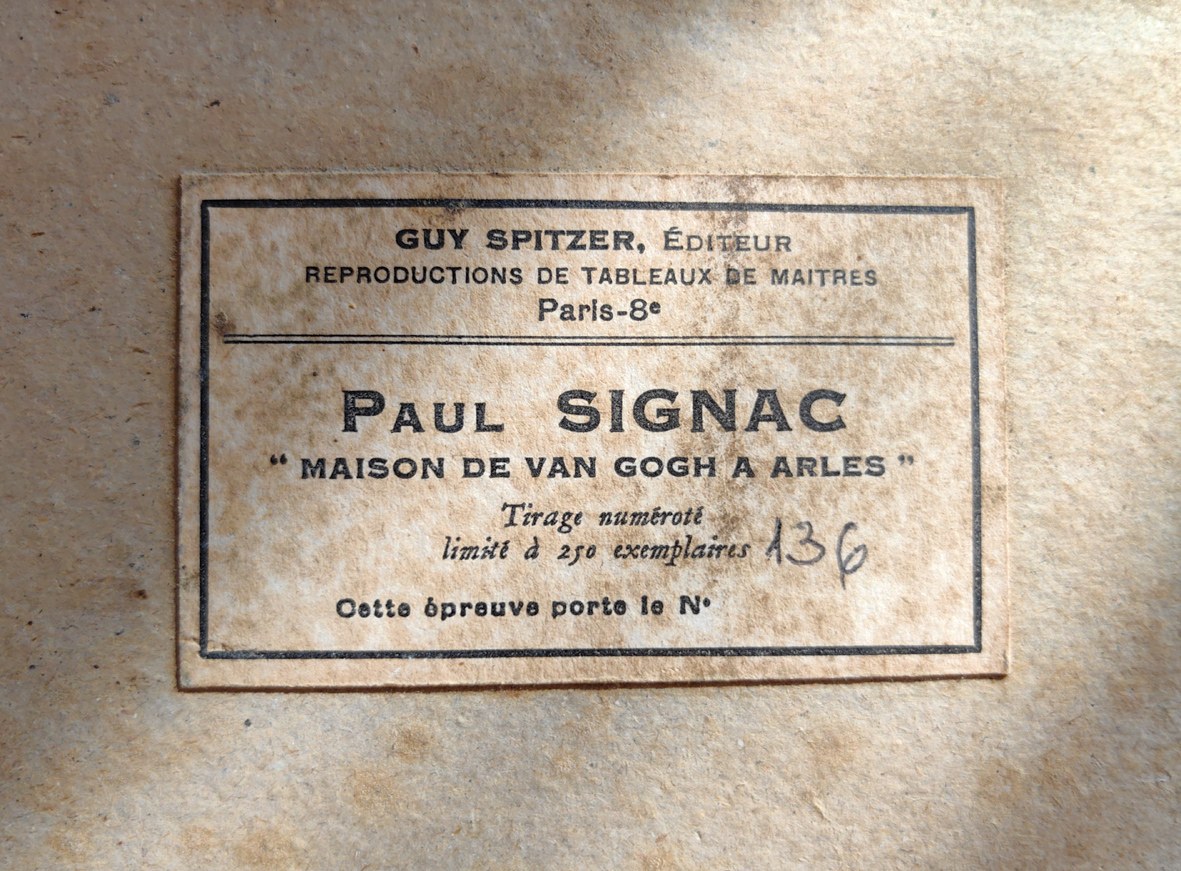
Color lithograph depicting the famous "Yellow House" in Arles - the place where Vincent van Gogh lived and created during one of the most prolific periods of his life. Paul Signac, a master of pointillism and co-founder of Neo-Impressionism, pays homage to Van Gogh by composing a work full of light, color and harmony. The house is shown amidst a Provençal landscape, with its characteristic blue sky, yellow walls and lush vegetation.
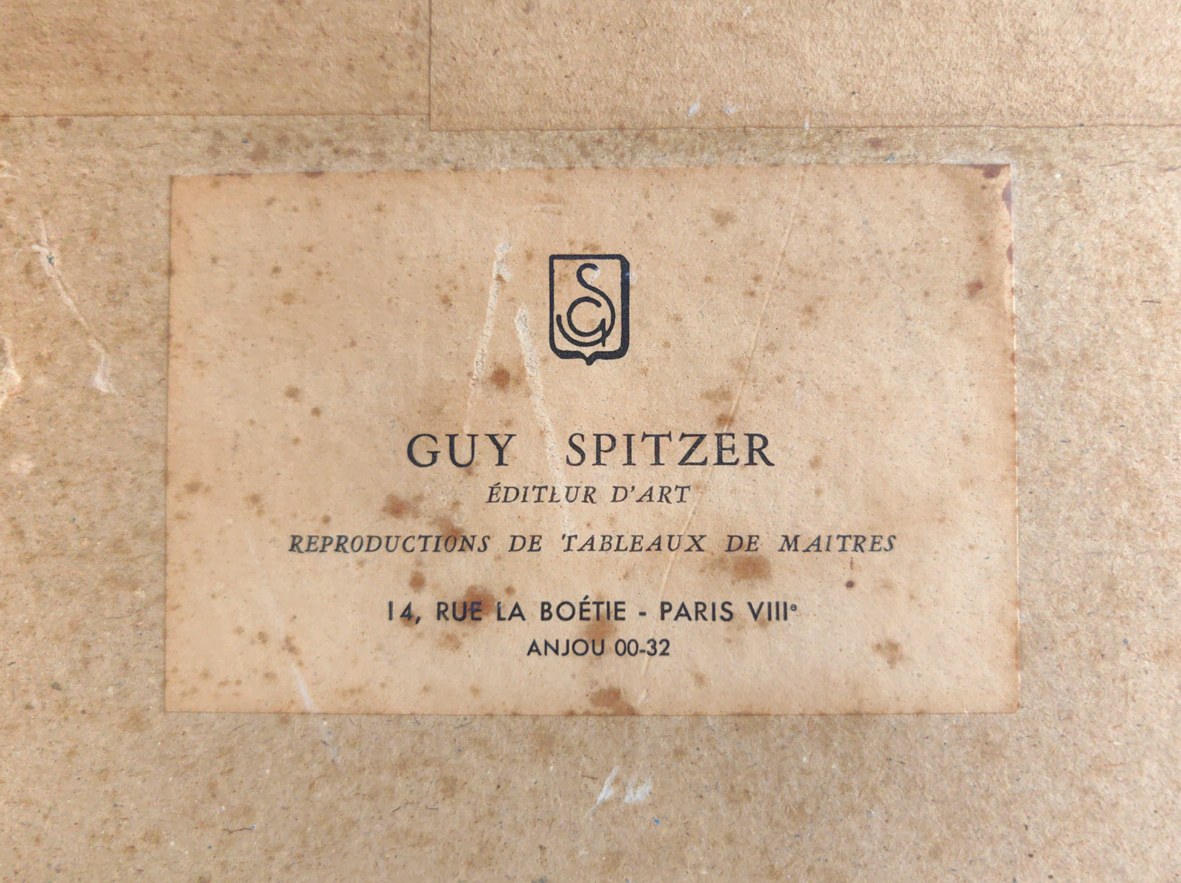
The lithograph was based on Signac's painting by the renowned Paris-based Guy Spitzer, an outfit specializing in high-quality reproductions of the masters' works. The print was created on the famous Mourlot paper, used by the greatest artists of the 20th century (including Chagall, Picasso, Miró).