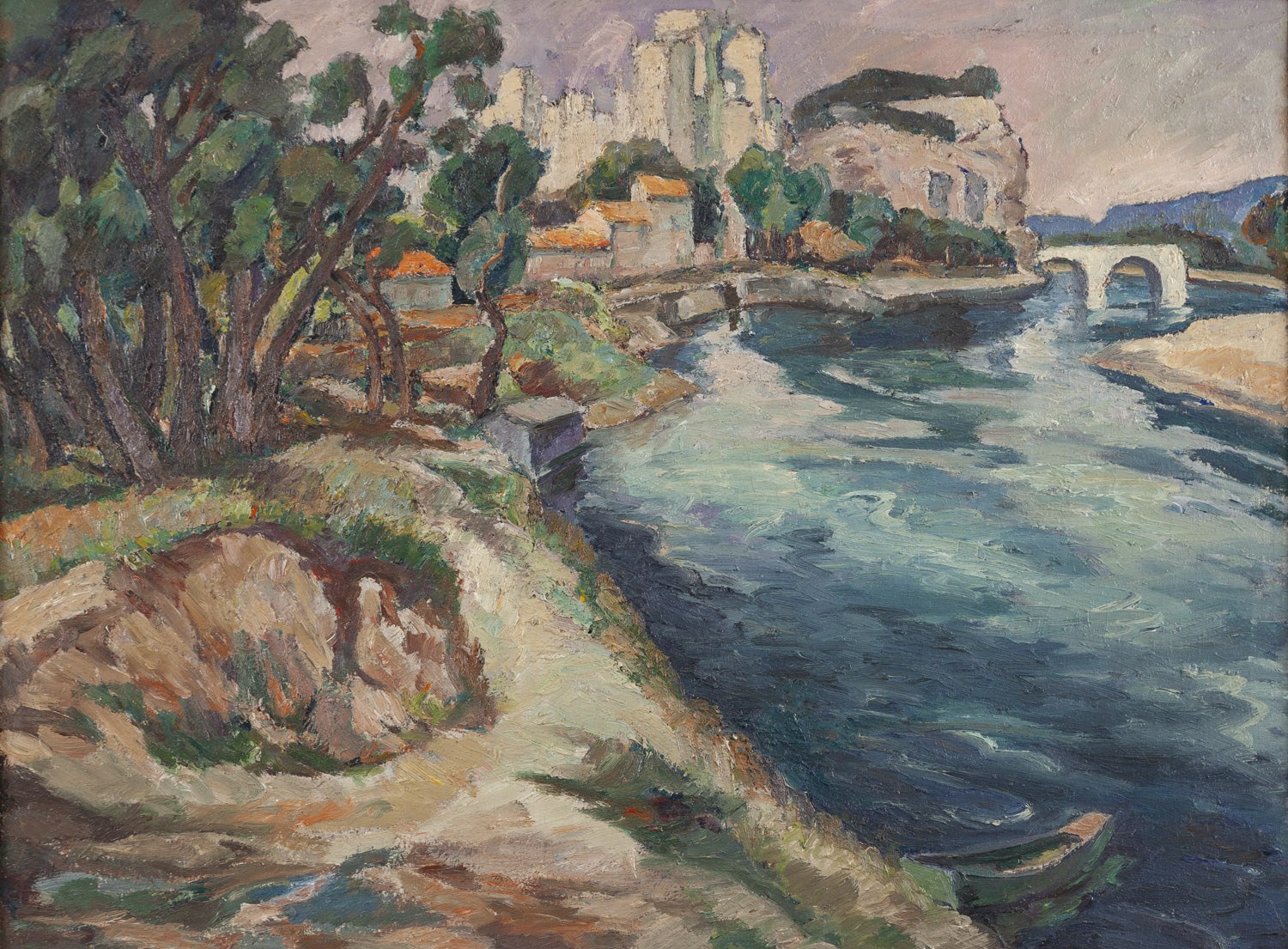
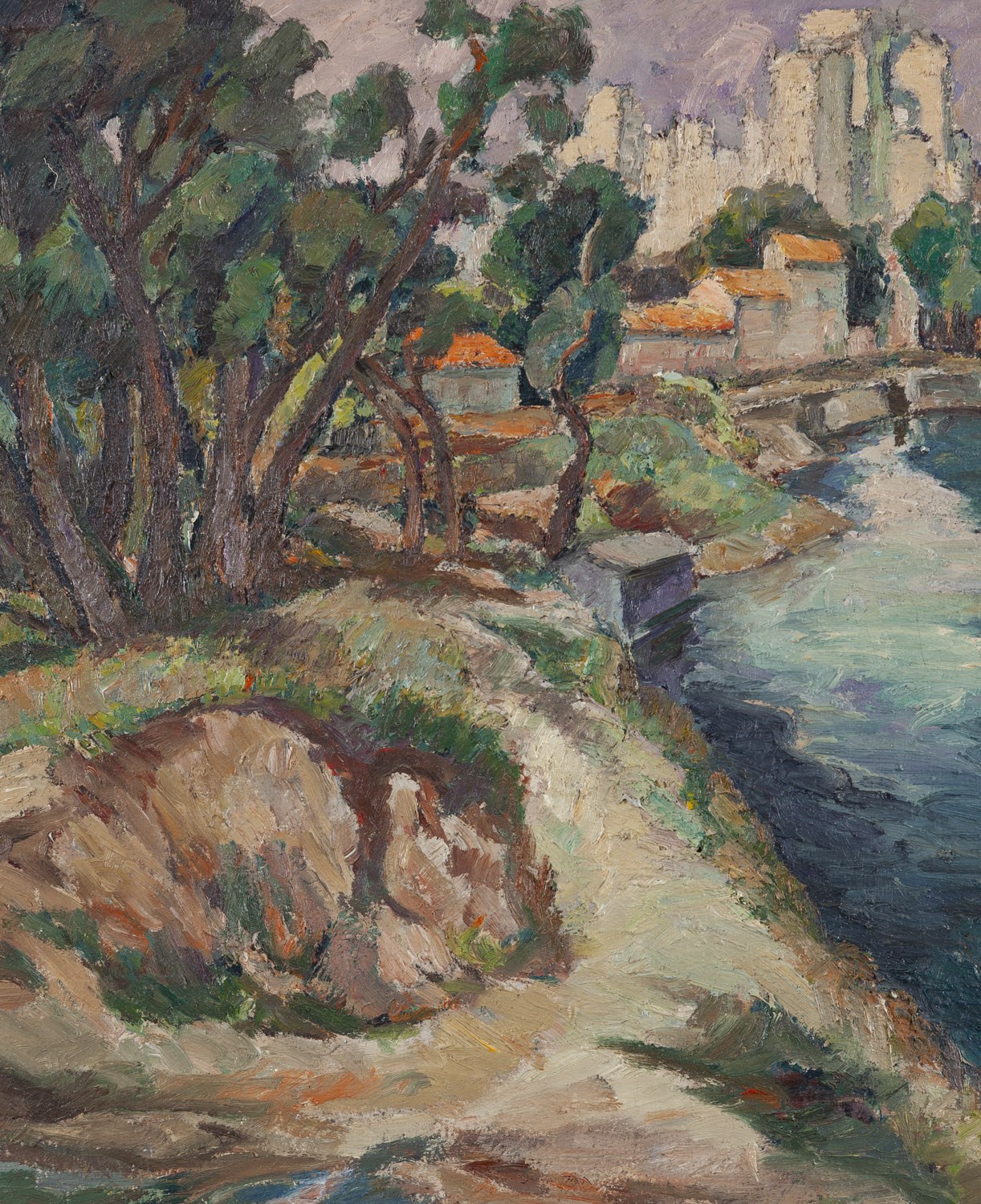
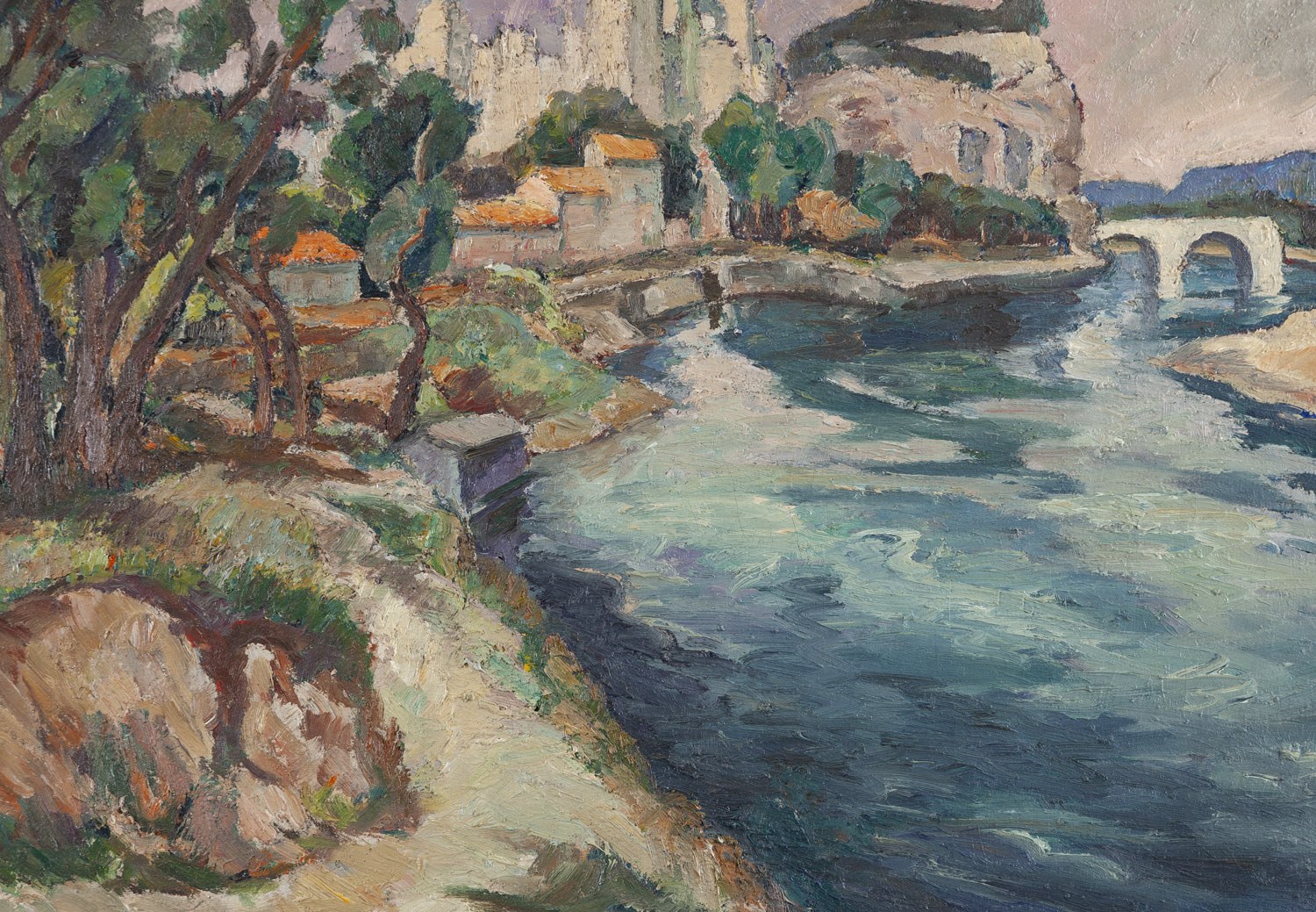
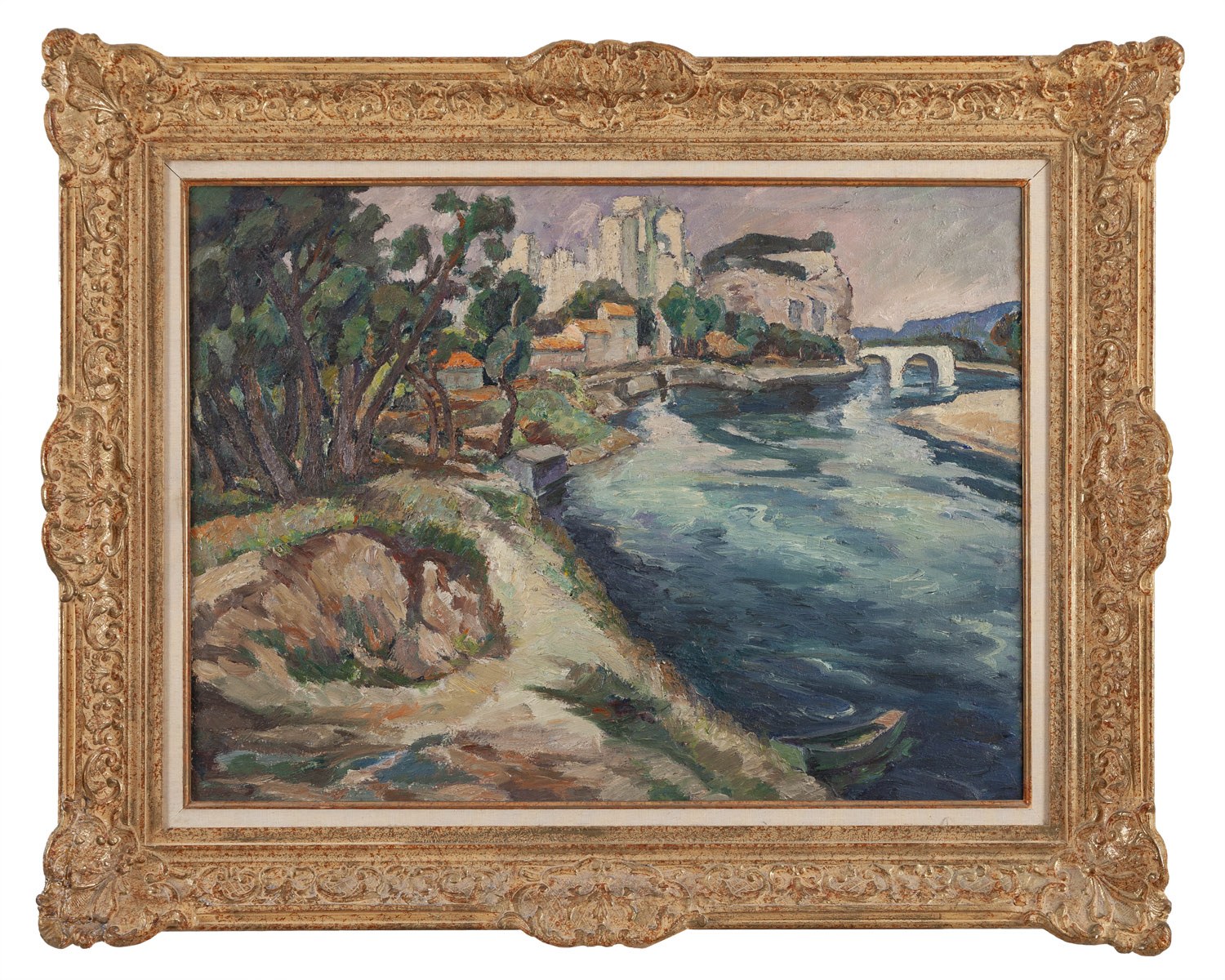
oil on canvas
Dimensions: 60 x 80 cm
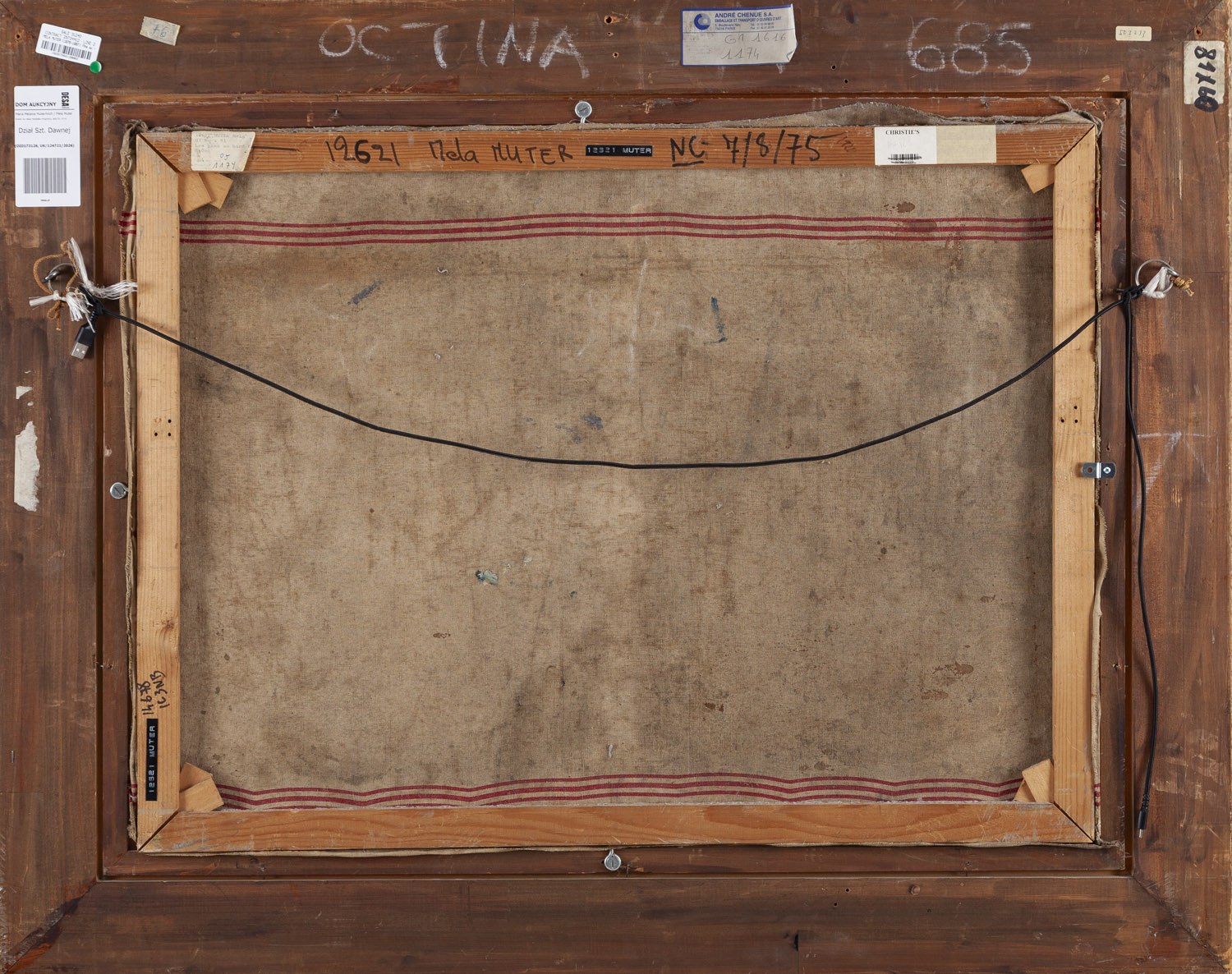
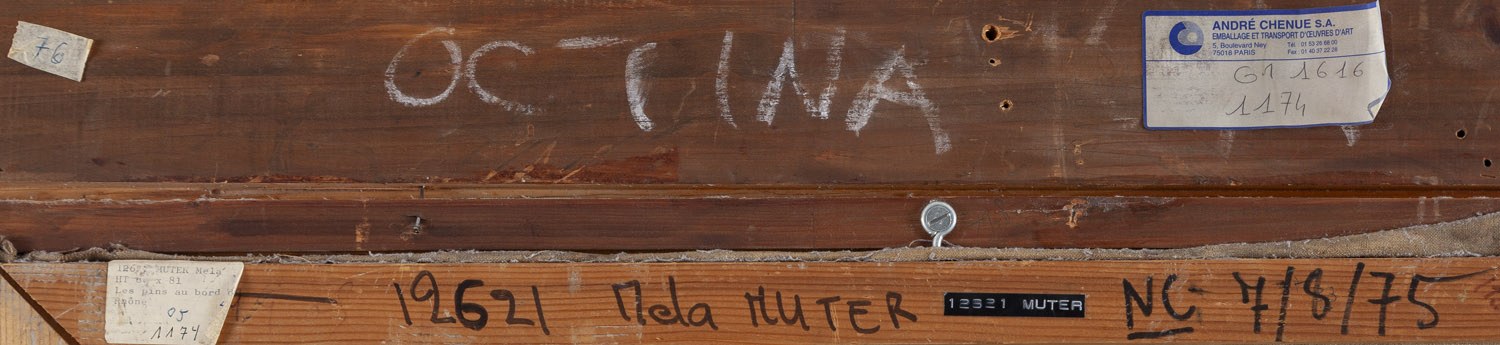
On the reverse side, on the stretcher, labeled with the inventory number: '12621 Mela MUTER NC- 7/8/75' and '14678 | IC3NB'; labeled on the frame in white chalk: 'OCTINA 685'; a Christie’s auction label and shipping labels are affixed to both the stretcher and the frame
Ψ Psi —Item available for pickup within the European Union, outside the territory of the Republic of Poland. Upon the customer’s request, DESA can assist in arranging pickup or shipping.
- The Hammer Price and Auction Fee are net amounts, to which German value-added tax (VAT) at a rate of 7% will be added
Origin
Wojciech Fibak’s collection
Christie’s, London, October 2000
Polish private collection, London
Exhibited
École de Paris. Jewish Artists from Poland in the Wojciech Fibak Collection, Poznański Palace, Łódź, 1998–1999
Bibliography
École de Paris. Jewish Artists from Poland in the Collection of Wojciech Fibak, exhibition catalog, Łódź 1998–1999, pp. 178–9 (ill.), cat. no. 76
Biography
She was born into a Jewish merchant family in Warsaw as Maria Melania Klingsland. In 1899, she married the writer and socialist activist Michał Mutermilch. From this marriage, her only son, Andrzej, was born. As early as the late 19th century, she attended Miłosz Kotarbiński’s Private School of Painting and Drawing. In 1901, the entire family moved to Paris, where Muter opened her own studio and continued her studies at the Académie de la Grande Chaumière and the Académie Colarossi. Until the outbreak of World War I, the artist painted intensively, participated in numerous exhibitions, and traveled—particularly enjoying trips to Brittany and Spain. She also began a romantic relationship with Leopold Staff. She spent the war in northern France. After the war ended, she returned to Paris. Later, she accompanied her son, who was suffering from bone tuberculosis, during his stays at sanatoriums, where she met Raymond Lefebvre, with whom she developed a deep bond. The end of the second decade of the 20th century was marked by traumatic events for Muter—her divorce from her husband and the death of her lover.
The interwar period marked the peak of her career. Muter became a sought-after portraitist, creating works on commission for artists, writers, politicians, and the Parisian aristocracy. In the early 1920s, she was briefly influenced by Cubism, traveled to the French Riviera for the first time, converted to Catholicism, and experienced the unexpected death of her son. She painted not only portraits but also landscapes and still lifes. She developed her own original style, employing a characteristic impasto texture and her own distinctive expressive style. During World War II, she went into hiding in the south of France, initially in Villeneuve-les-Avignon and later in Avignon itself. Numerous landscapes and symbolic religious scenes set against the backdrop of the Rhône Valley date from this period. After returning to Paris, Muter gradually began to fade into obscurity. Her legacy was rediscovered in the 1960s by Lina and Bolesław Nawrocki and popularized through high-profile exhibitions at the Galerie Gmurzyńska in Cologne, as well as through an exhibition at the National Museum in Warsaw in 1994.