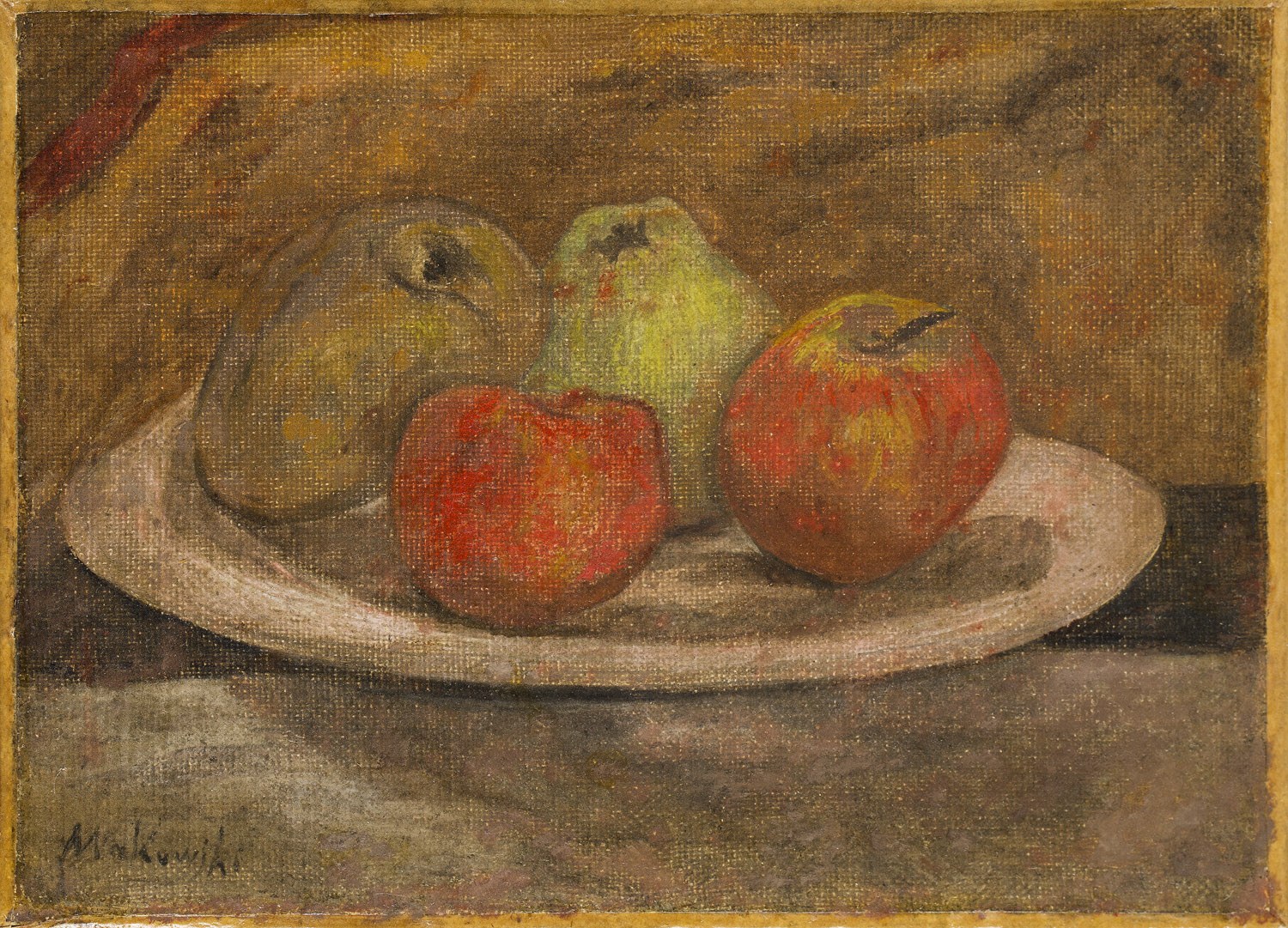
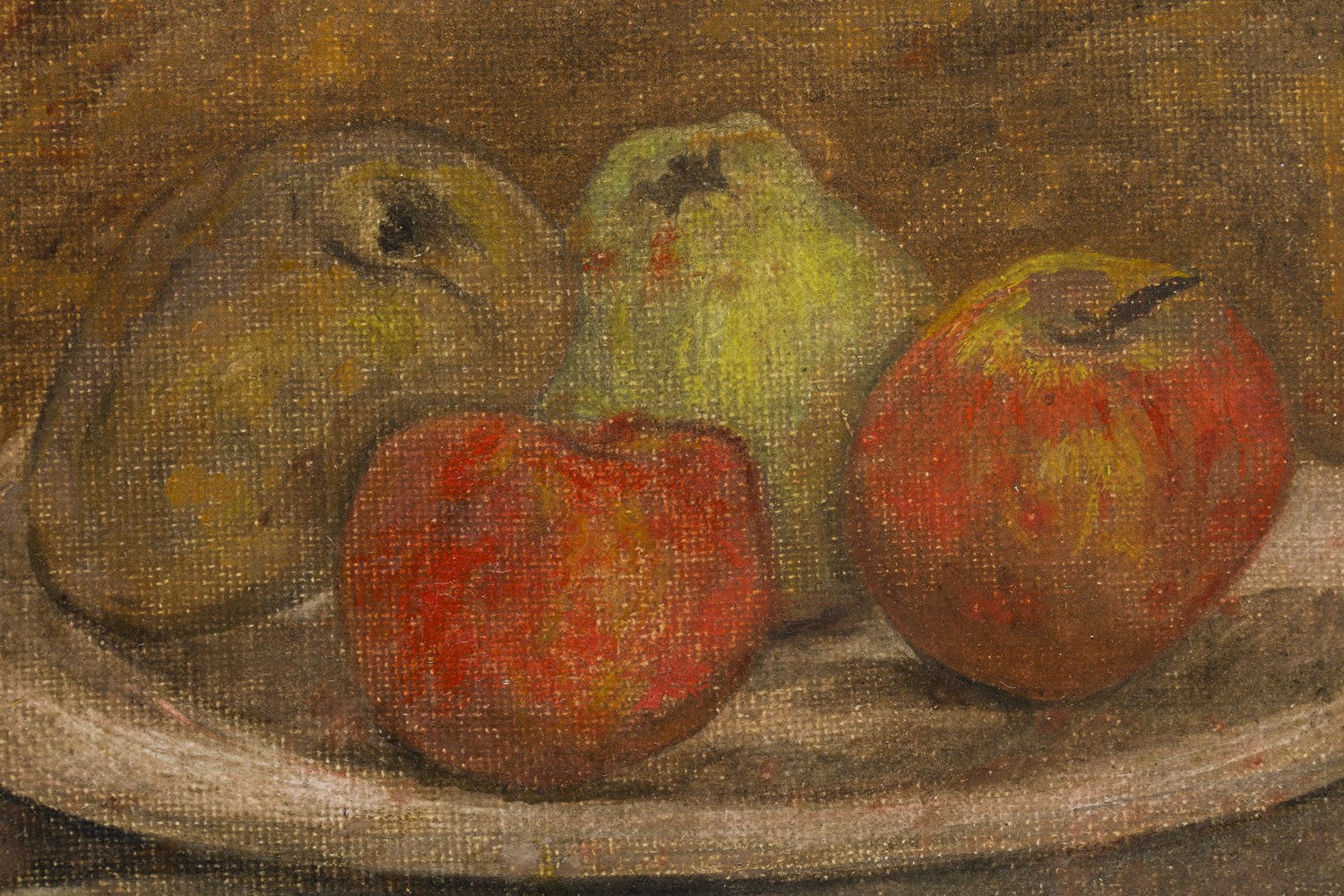
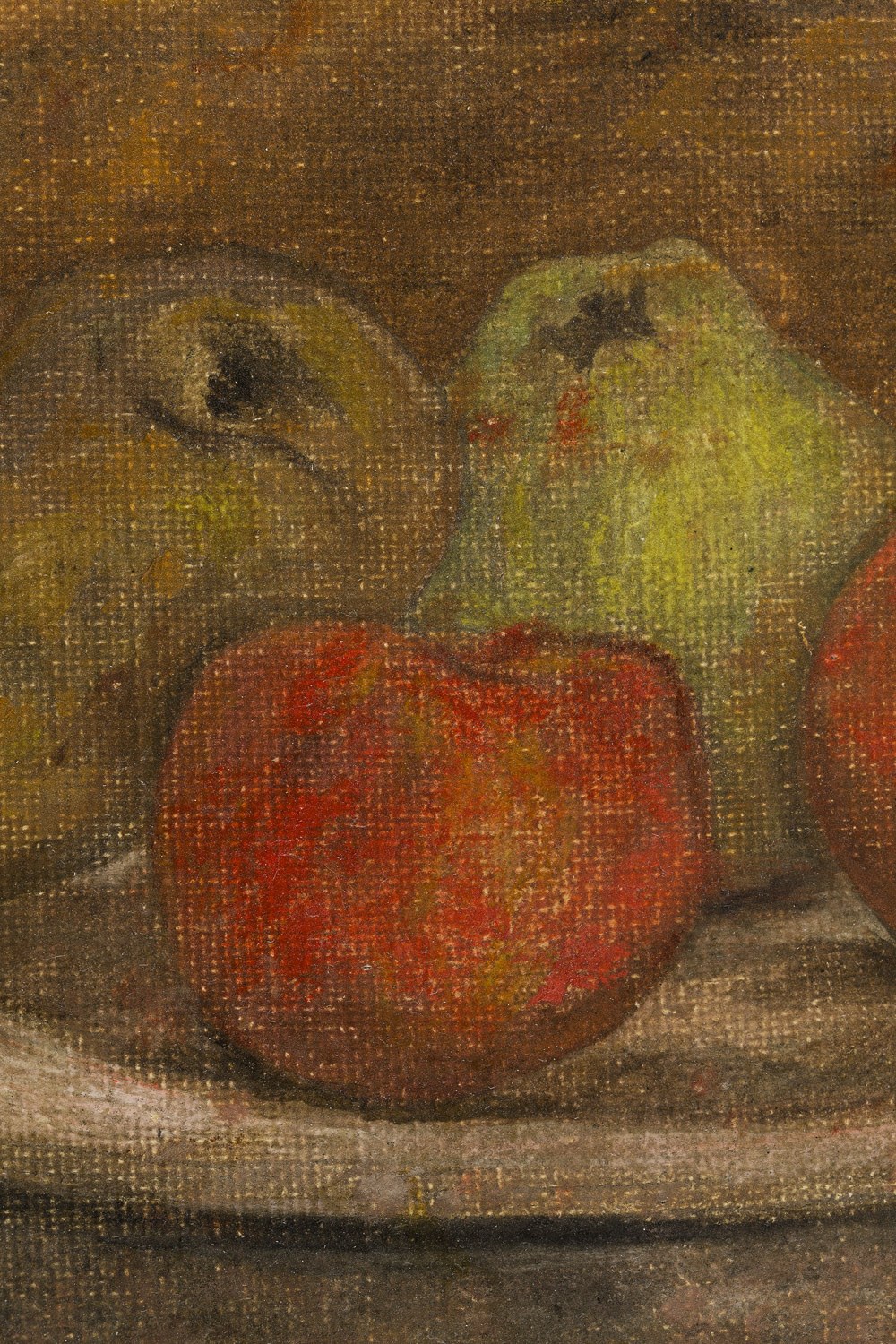
Dimensions: 16 x 22 cm
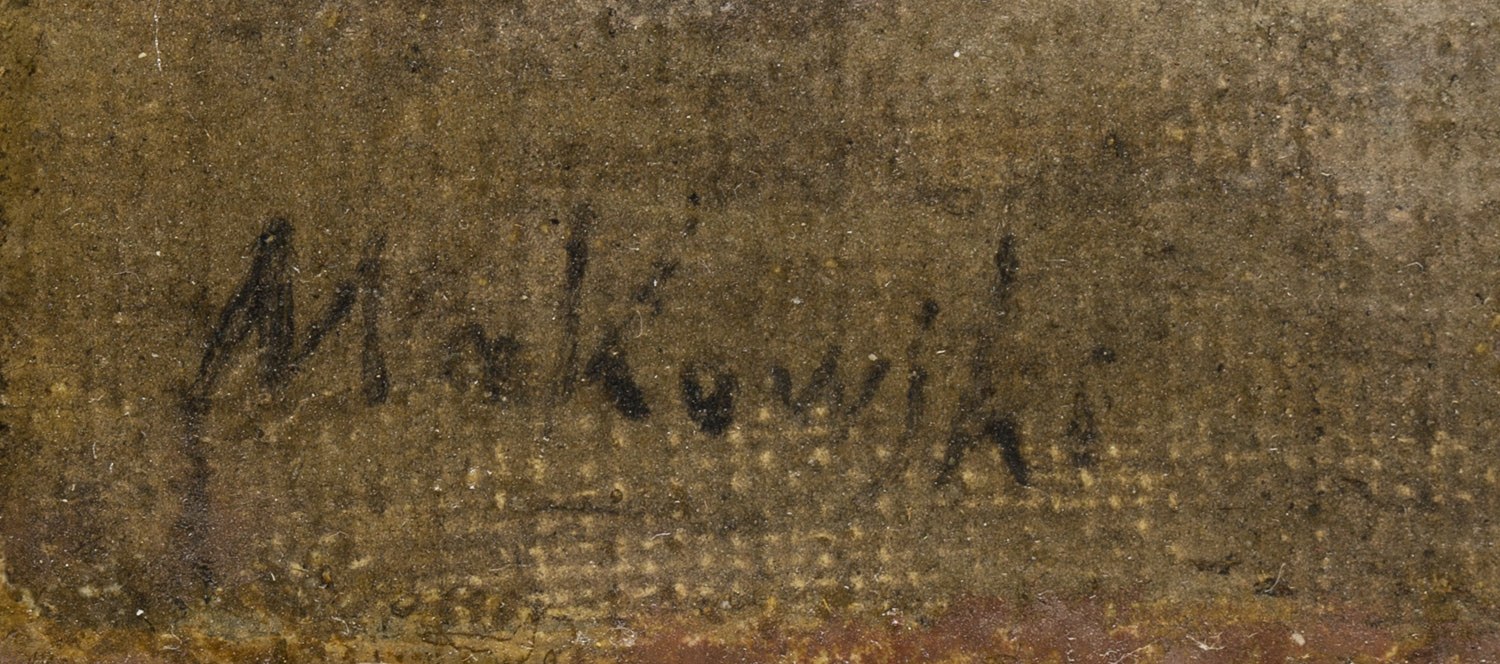
Signed l.d.: 'Makowski'
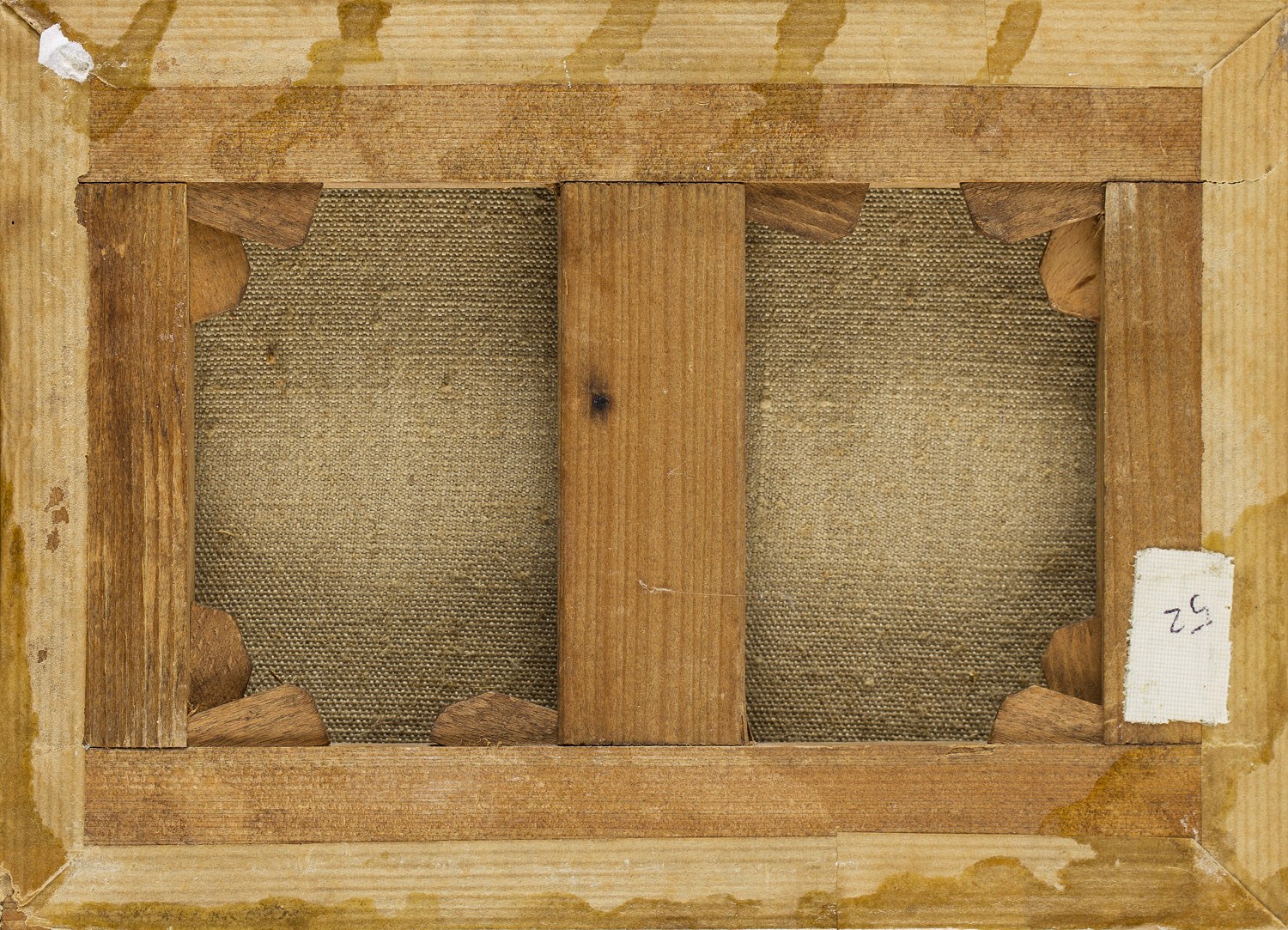
numerical notes on reverse
Origins
Kazimierz Romanowicz, Galerie Lambert, Paris, purchase 1981
Exhibited
Polish Paris. École de Paris. Collection of Wojciech Fibak, National Museum in Szczecin, December 1999 - March 2000.
Polish Paris. From Michałowski to Lebenstein. Polish Painting from the Collection of Wojciech Fibak, Museum of the History of the City of Lodz, 1999.
Polish Paris. From Michałowski to Lebenstein. Polish Painting from the Collection of Wojciech Fibak, State Art Gallery, Sopot, July 8 - October 4, 1998.
Polish Painting in the Collection of Ewa and Wojciech Fibak, National Museum in Warsaw, May 23-August 9, 1992; National Museum in Poznan, August 22-October 25, 1992
Literature
Polish Paris. École de Paris. Collection of Wojciech Fibak, exhibition catalog, National Museum in Szczecin, Szczecin 1999, p. 93 (ill.)
Polish Paris. From Michałowski to Lebenstein. Polish Painting from the Collection of Wojciech Fibak, exhibition catalog, Museum of History of the City of Lodz, Lodz 1999, p. 63 (ill.)
Polish Paris. From Michałowski to Lebenstein. Polish Painting from the Collection of Wojciech Fibak, exhibition catalog, State Art Gallery in Sopot, Sopot 1998, p. 63 (ill.)
Polish Painting in the Collection of Ewa and Wojciech Fibak, exhibition catalog, National Museum in Warsaw, National Museum in Poznan, Warsaw 1992, p. 112 (il.).
Biography
Tadeusz Makowski is one of the most outstanding Polish artists of the 1st half of the 20th century. He was a painter, graphic artist and draughtsman. In 1903-08 he studied at the Cracow Academy with Józef Unierzyski, Józef Mehoffer and Jan Stanisławski; at the same time he studied philology at the Jagiellonian University. In 1908, via Munich, he went to Paris, where he settled permanently. From there he traveled to Brittany, Auvergne and the south of France for summer seasons. He also made an artistic trip to Holland and Belgium (1921). In Paris, he was friends with many prominent painters, writers and art dealers. He maintained lively contacts with Polish artists residing in France and was president of the Paris-based "Society of Polish Artists." He exhibited his works at home - in Cracow and Warsaw (from 1907) and Lviv (1910) - and abroad: in Paris, Barcelona, Vienna, Budapest and Amsterdam. He painted figural compositions, landscapes, still lifes and portraits, especially of children. Experimenting with cubist painting, he developed his own individual style. With form, color and light, as well as a certain deformation, he built lyrical though sometimes not without a certain irony or derision in his painting compositions.