Dimensions: 71 x 59 cm
Inv. no. M.Ob.669 MNW
Literature
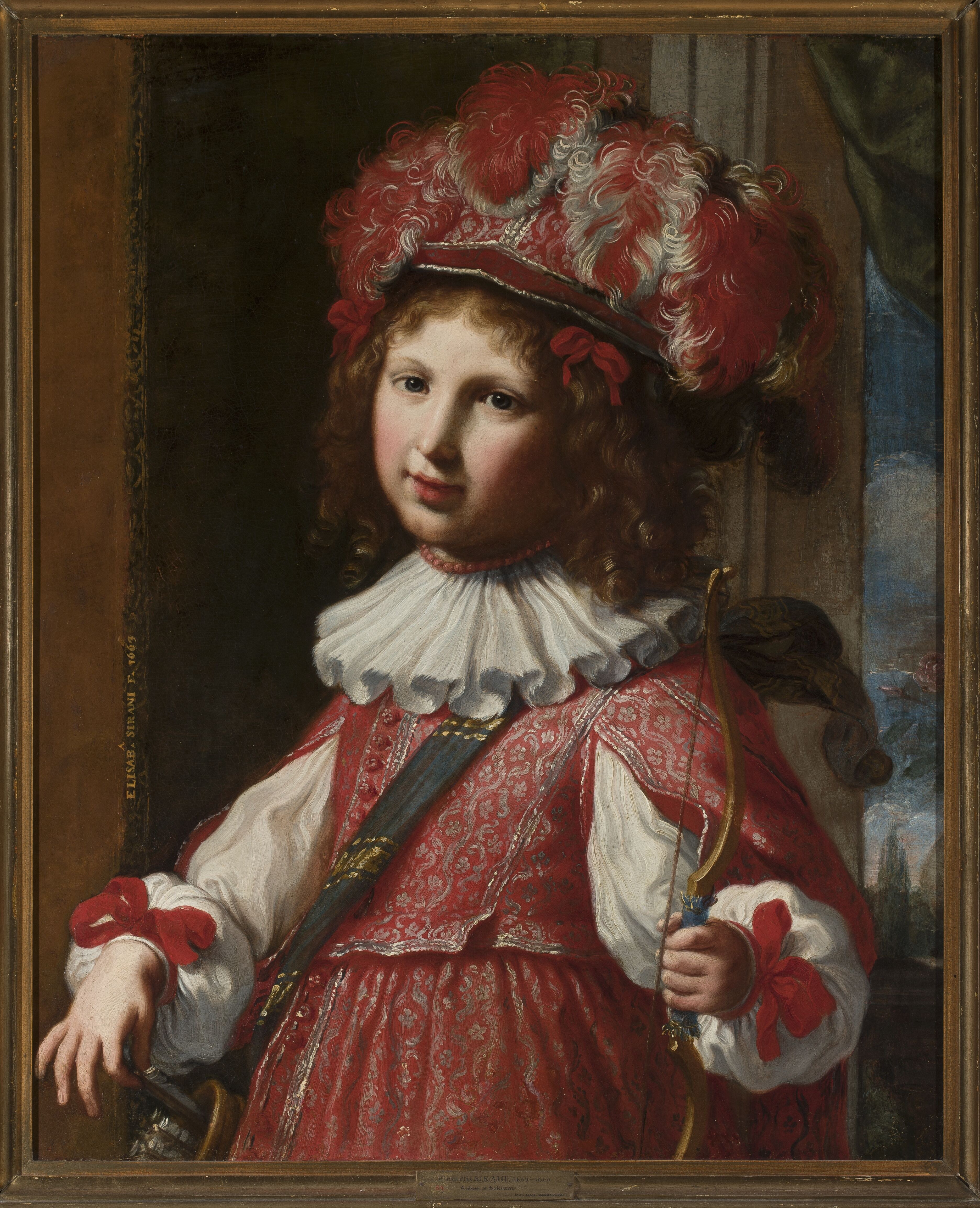
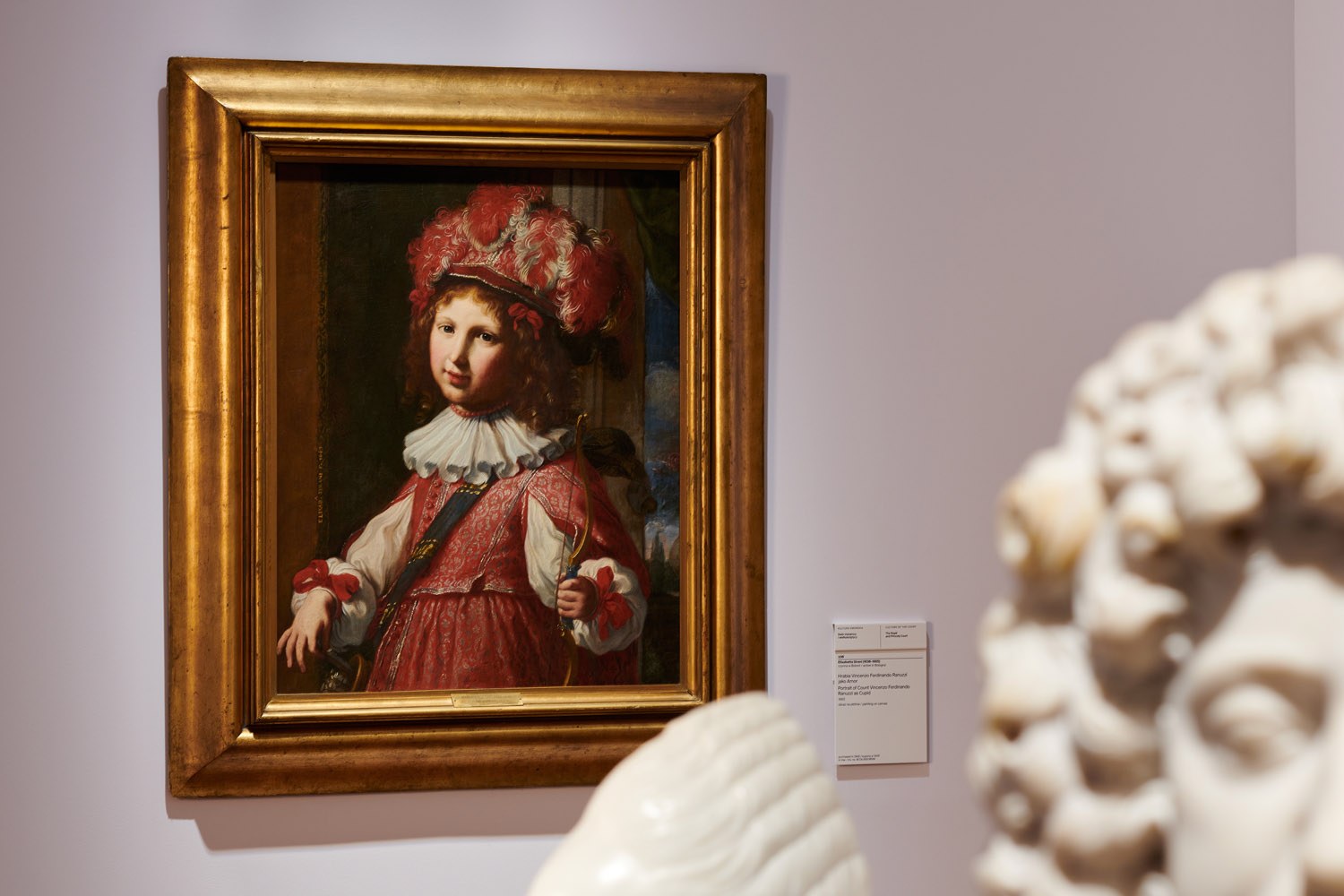
"Portrait of Vincenzo Ferdinando Ranuzzi". - a work by the Bolognese artist Elisabetta Sirani from 1663, is the only painting in the Early Art Gallery of the National Museum in Warsaw painted by a woman. Girls did not have easy access to learning the craft at the time, and this is reflected in the proportion of works created by men and women in museum galleries around the world.
Sirani, like many other female artists of the past, was a student of her father. When he became ill and died, she ran his workshop, supporting her family on her own. She gained fame as a versatile painter; she was also a teacher of many women at the school she established in her hometown. She enjoyed the recognition of art theorists and prominent patrons. Her patrons included Carlo Cesare Malvasia, the biographer of Bologna artists, and Cardinal Leopoldo de'Medici, a prominent patron of the arts.
Portraits were not the Bolognese painter's main specialty, but she was associated with the powerful aristocratic Ranzuzzi family, and a painting from the National Museum in Warsaw depicts a five-year-old descendant of this senatorial family - Vincenzo Ferdinando. The boy is portrayed in contemporary, unusually attired court attire, but he holds the attributes of Cupid - a quiver and a bow - in his hands, and is captured as he reaches for an arrow. This is a portrait historié, a popular type of image in which contemporary figures were given the costume or attributes of historical, mythological heroes or allegorical figures. In such portrayals, boys were romances, women were mythological goddesses, and men were brave gods or heroes from the past. Vincenzo Ferdinando Ranuzzi is the son of Venus - cupid - in Sirani's work, but the painting can also be seen in a broader context, as an allegory of love.
Grażyna Bastek
Collection of Old European Art National Museum in Warsaw